Alicante Provincial Council Auditorium – ADDA

Alicante Provincial Council Auditorium – ADDA

Alicante Provincial Council Auditorium (ADDA)

Practical information

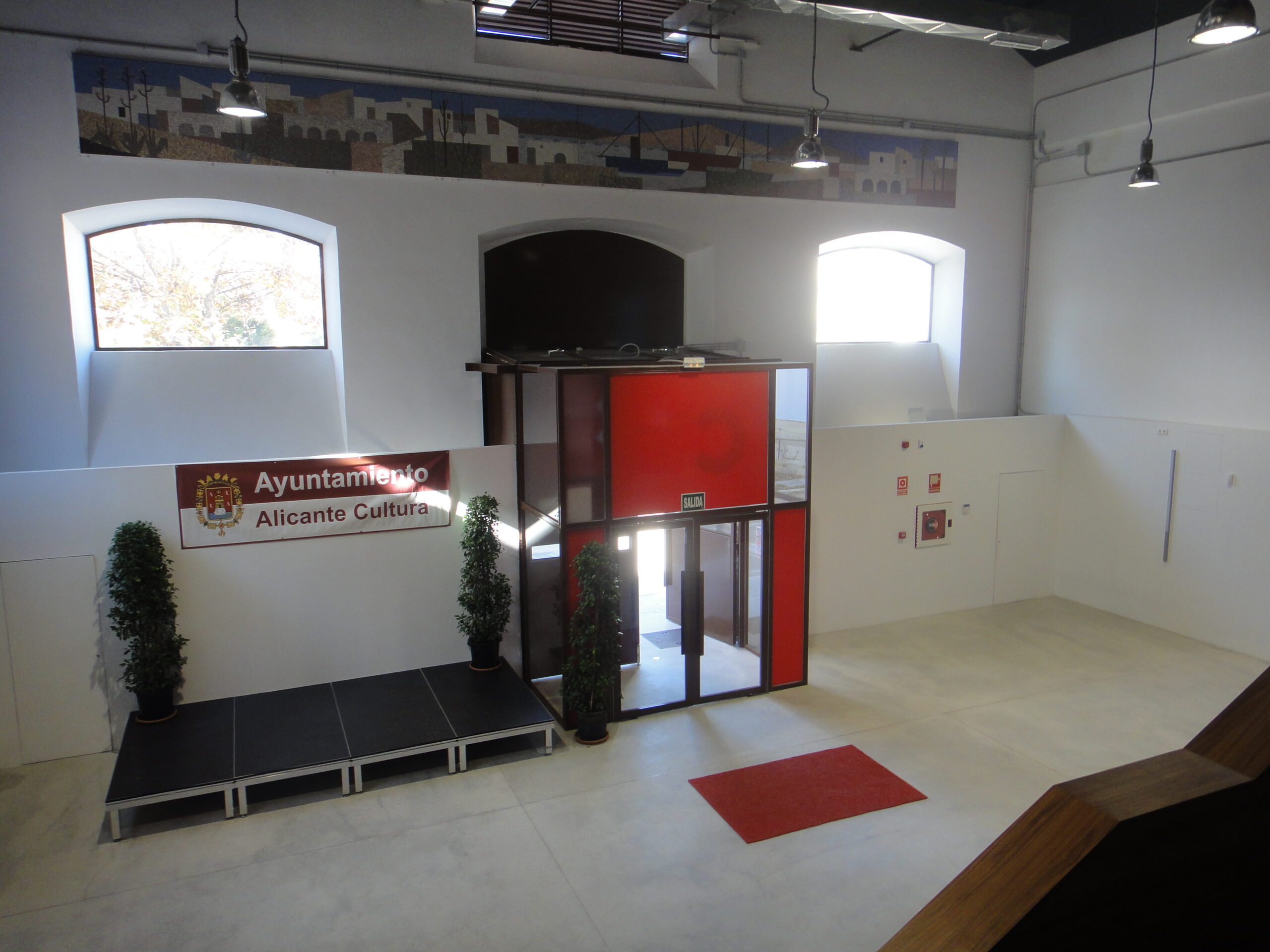
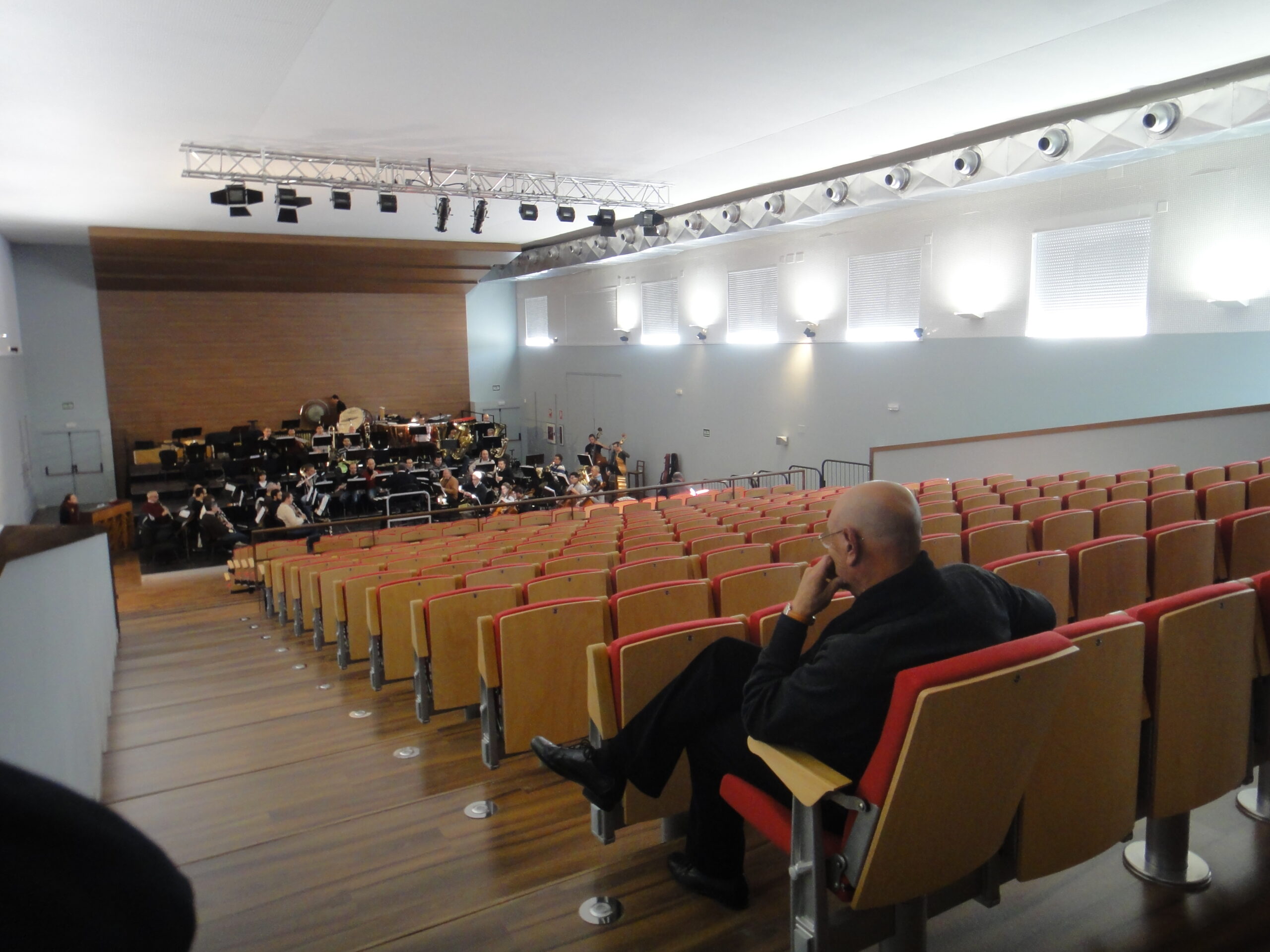
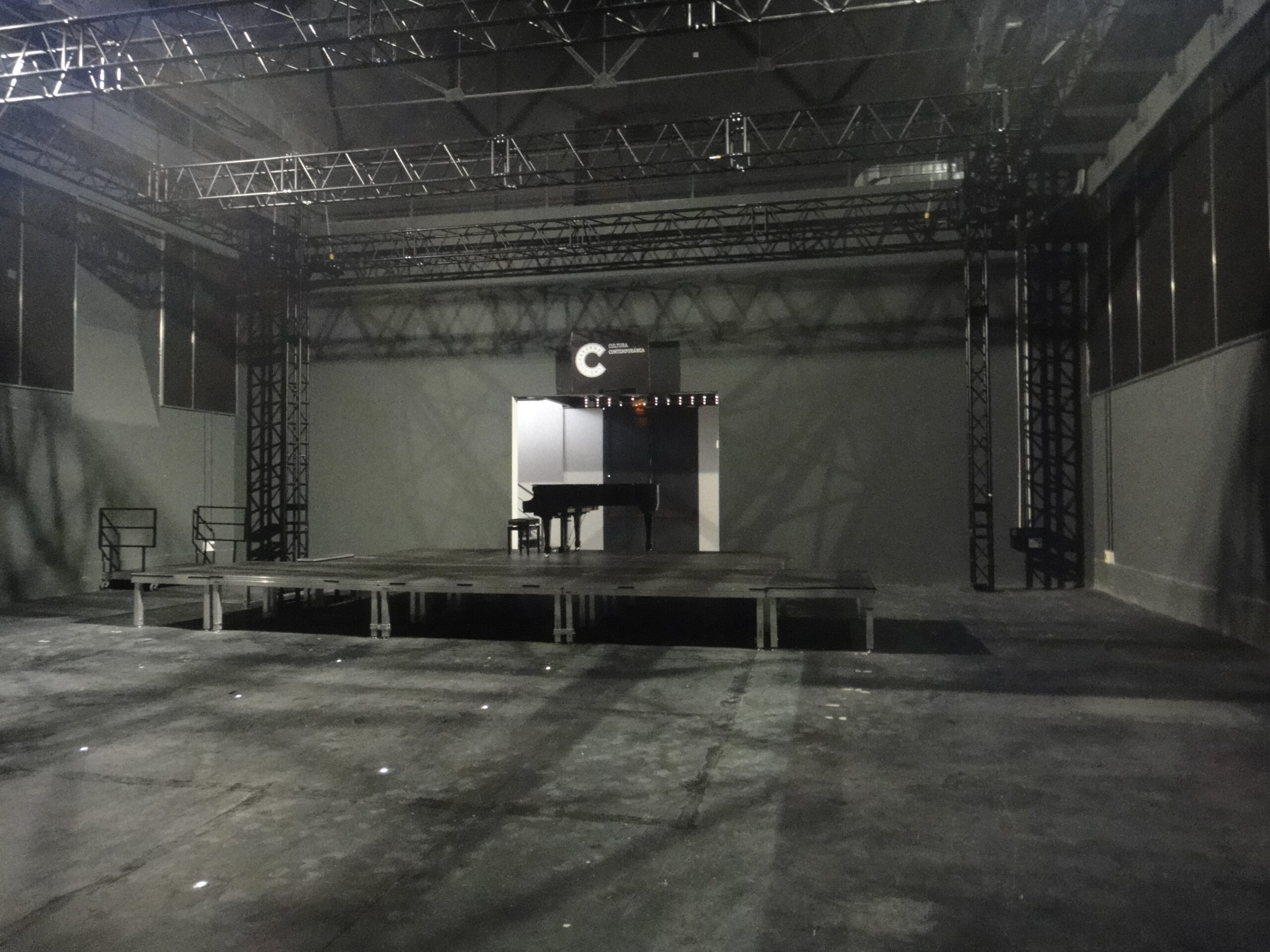
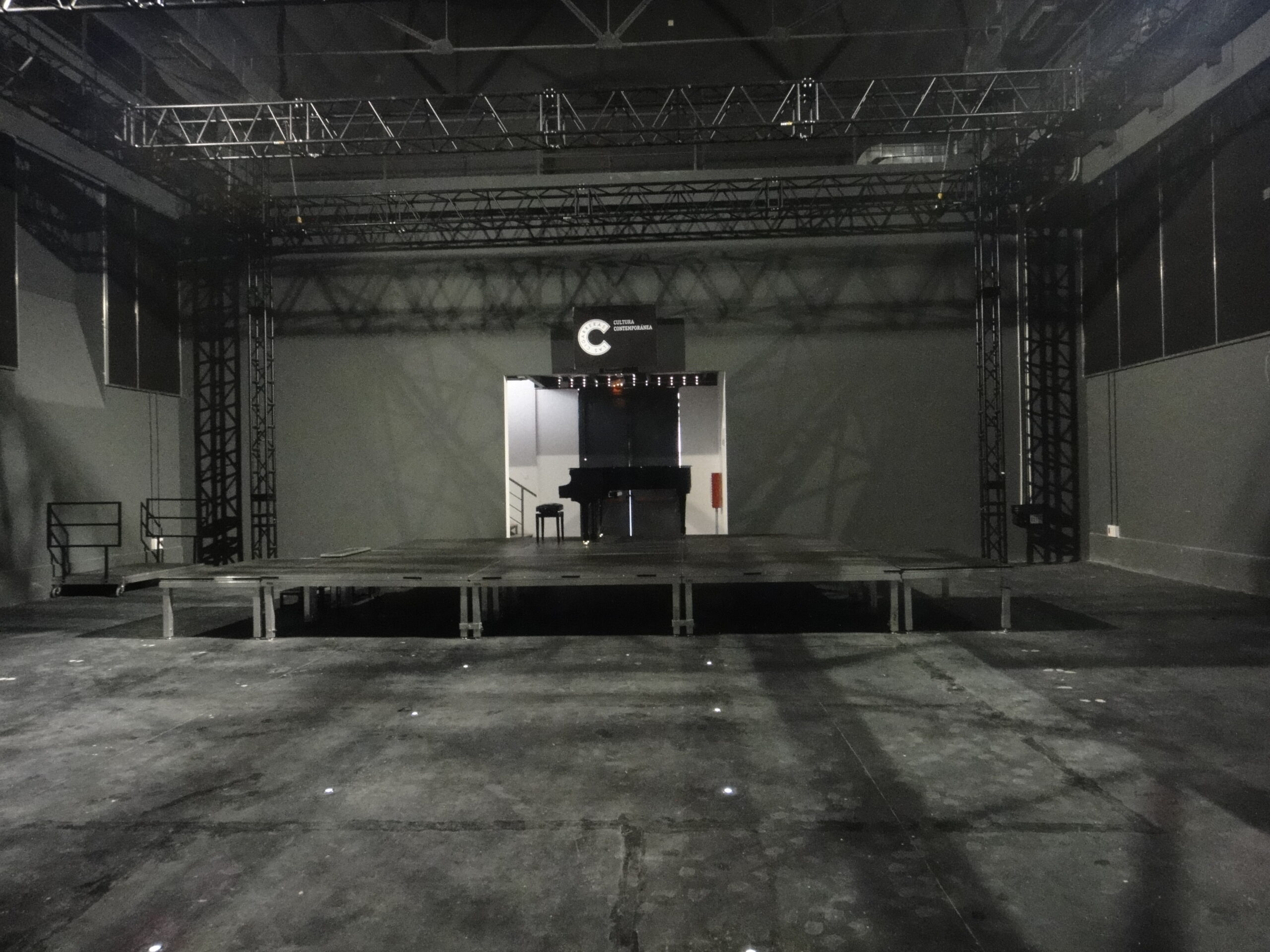
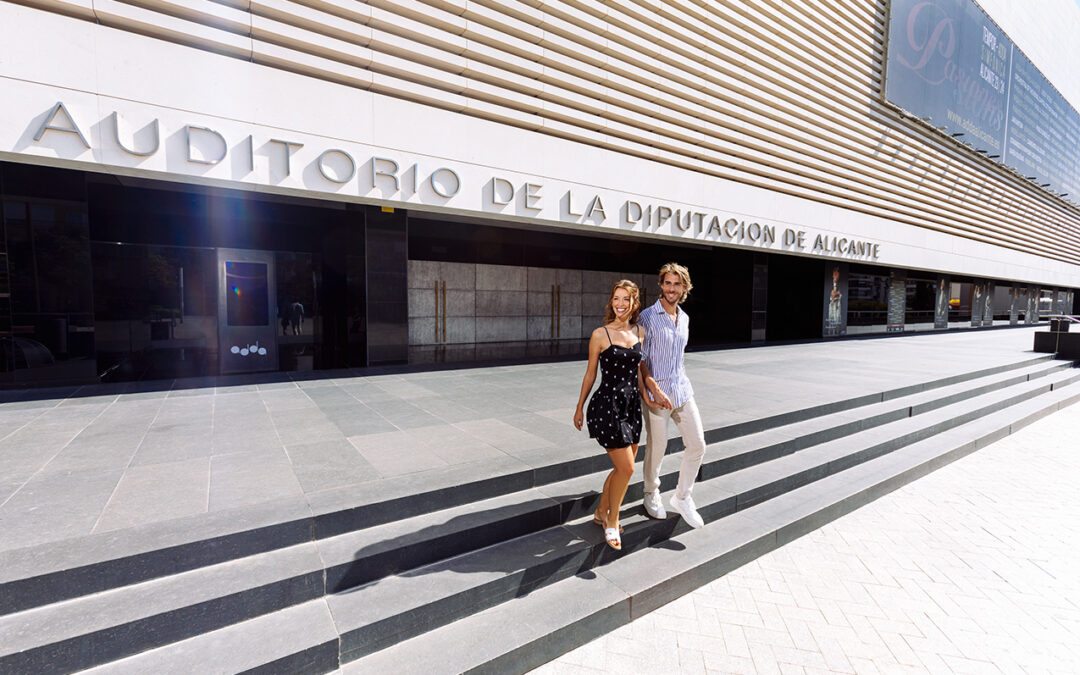
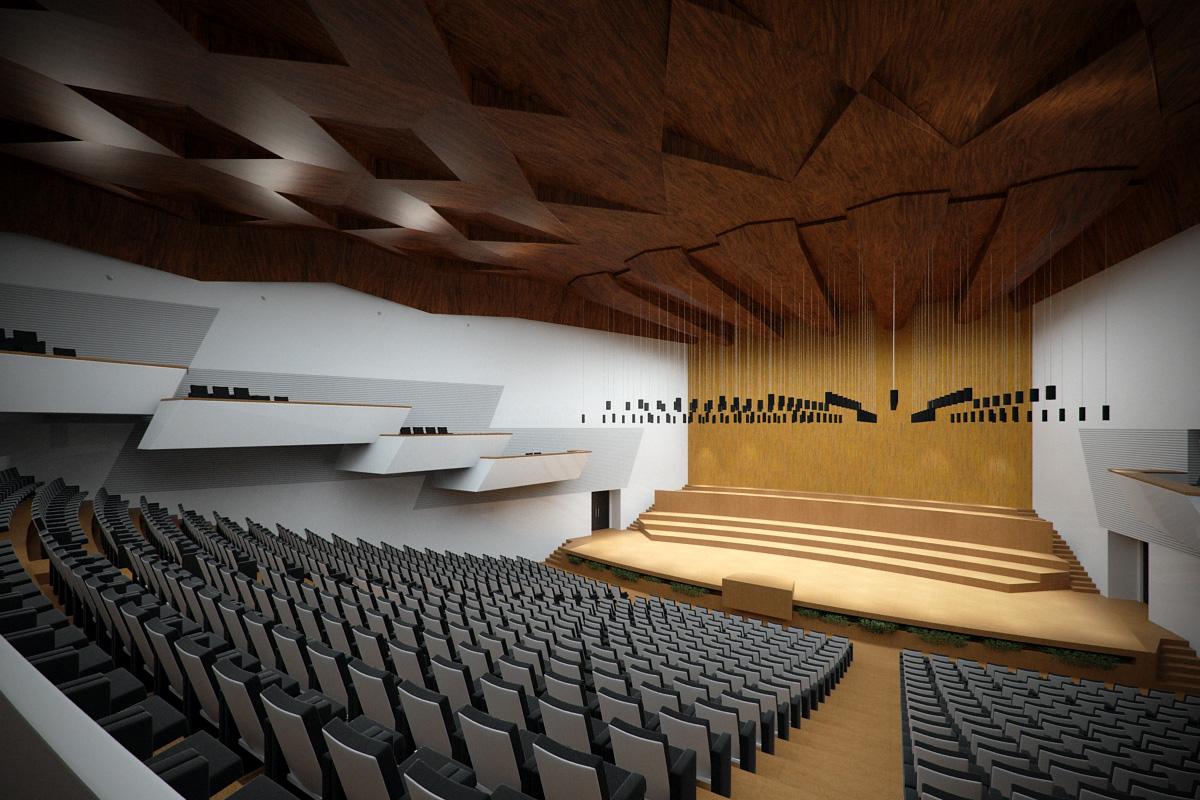
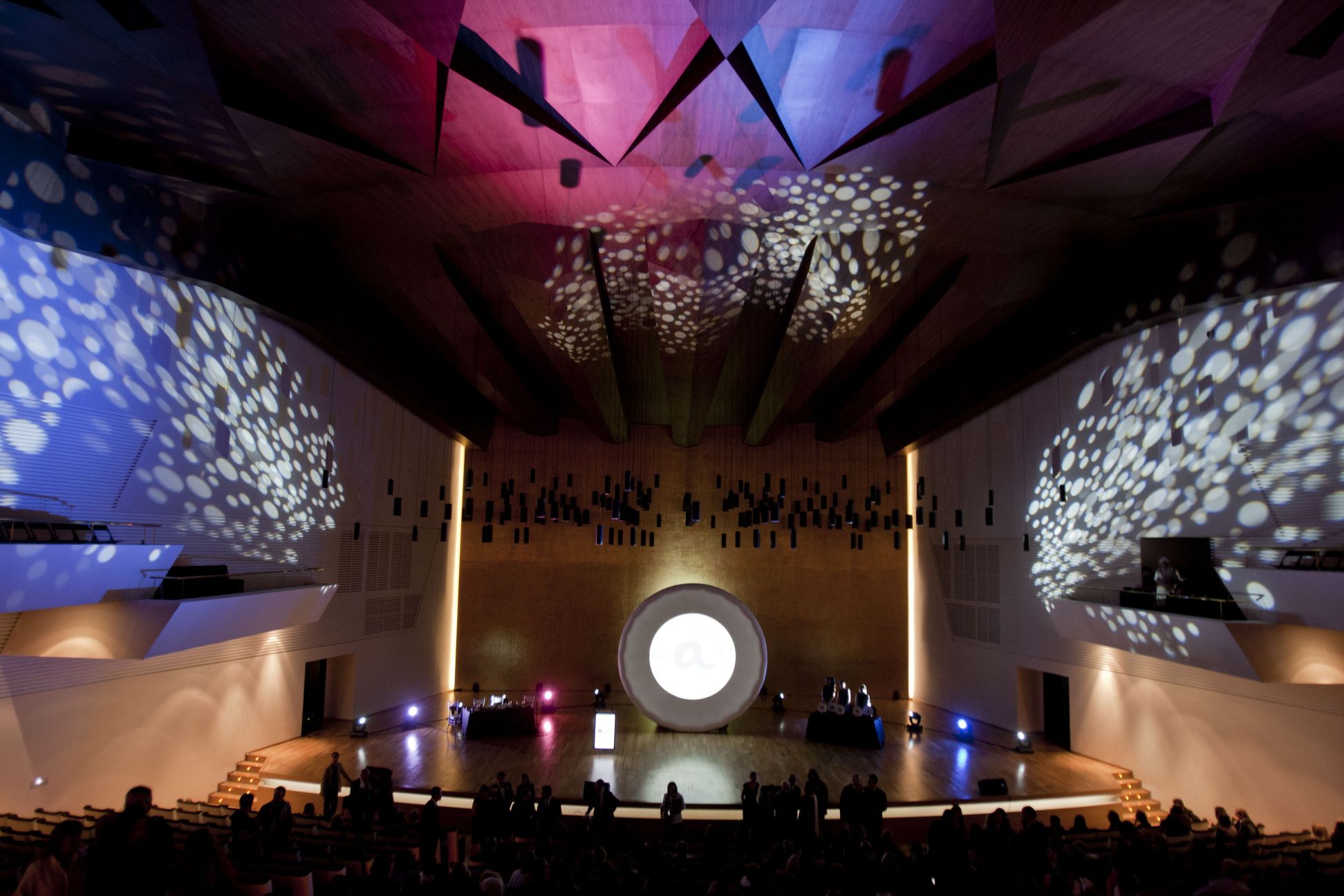
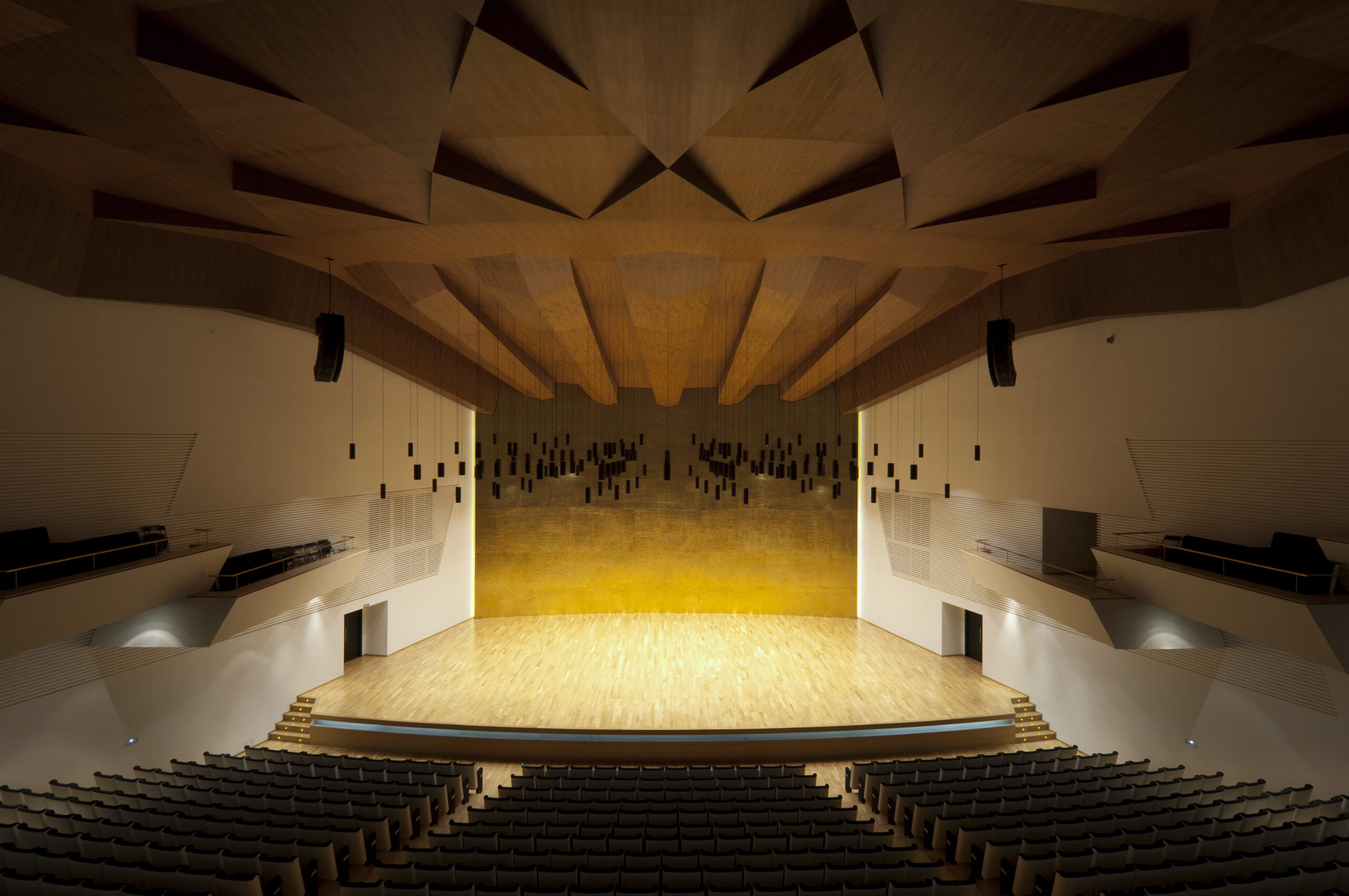
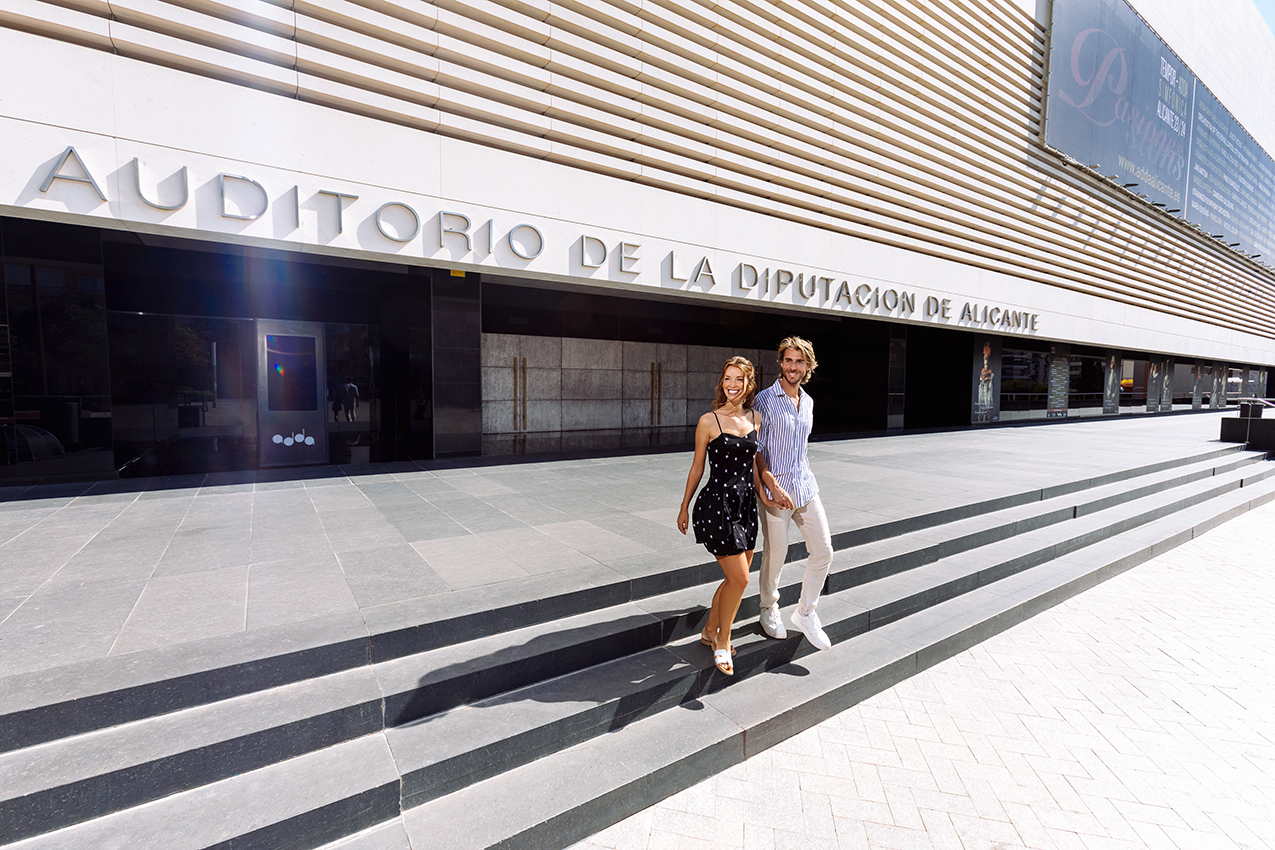
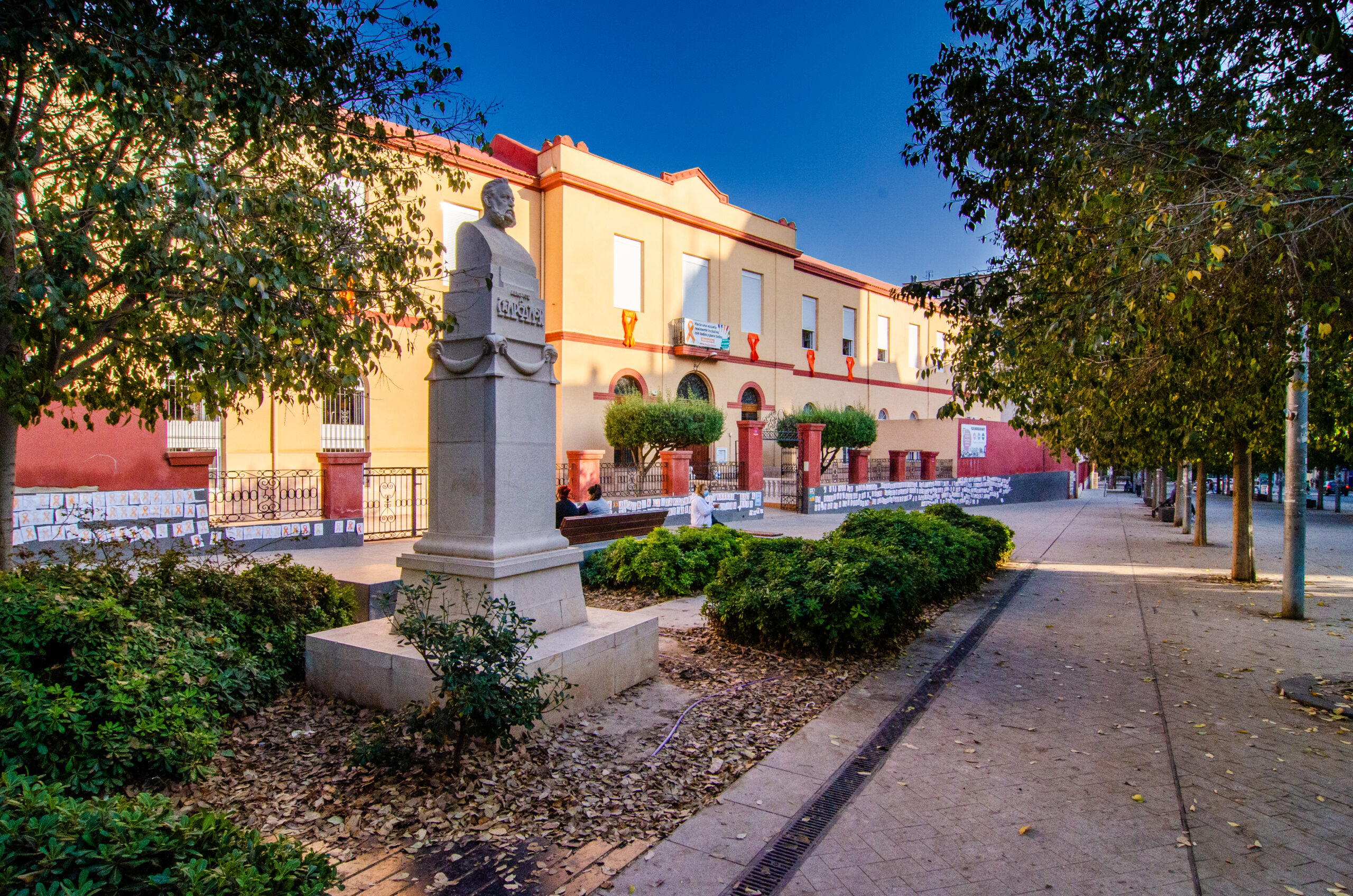
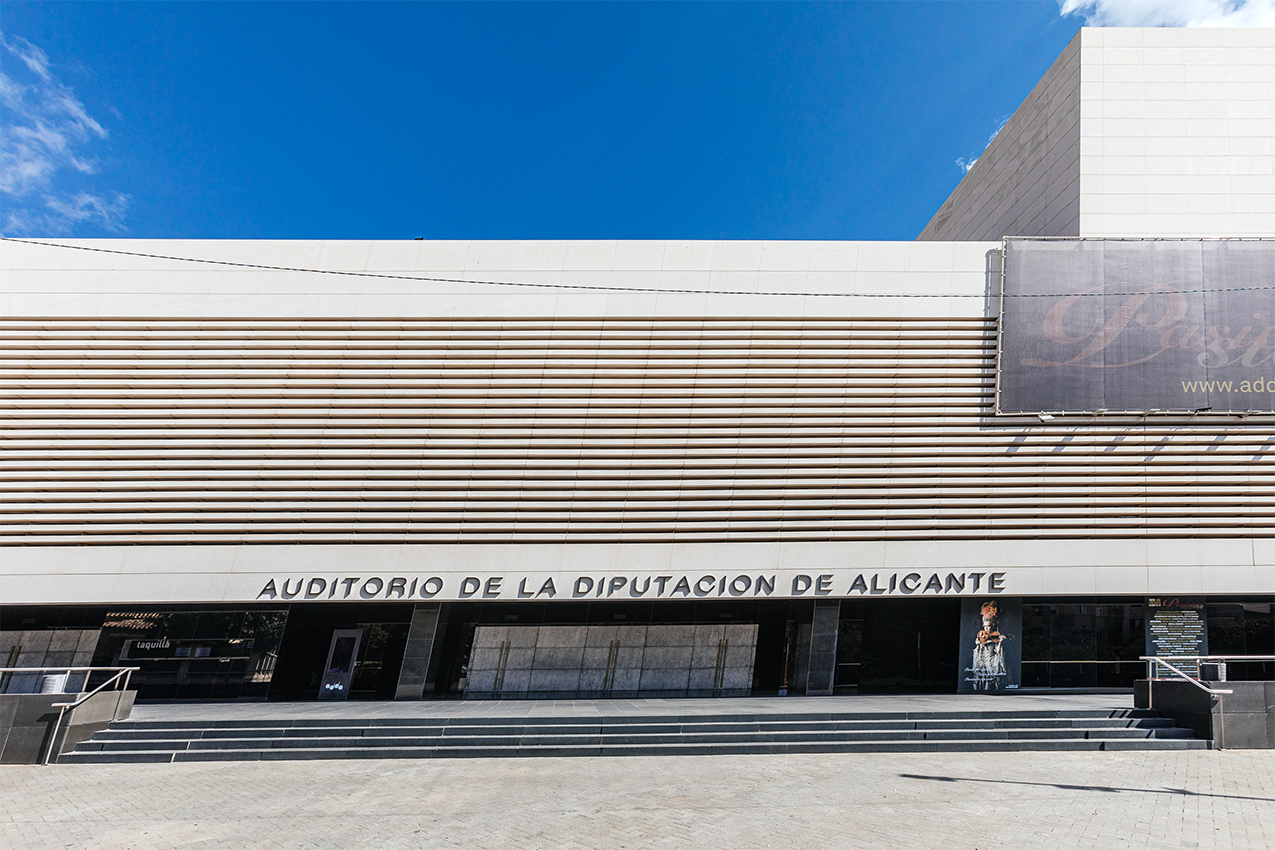
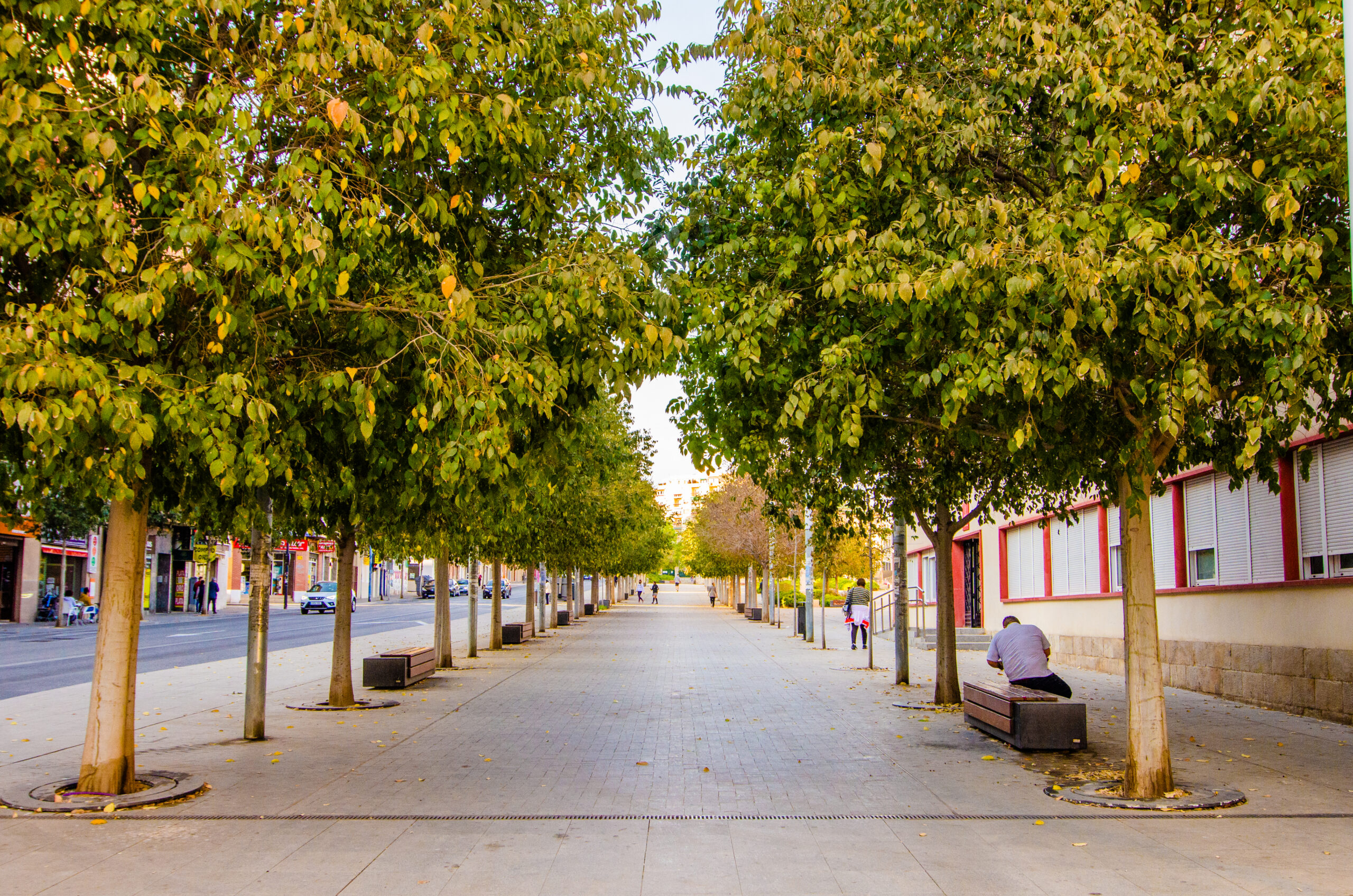
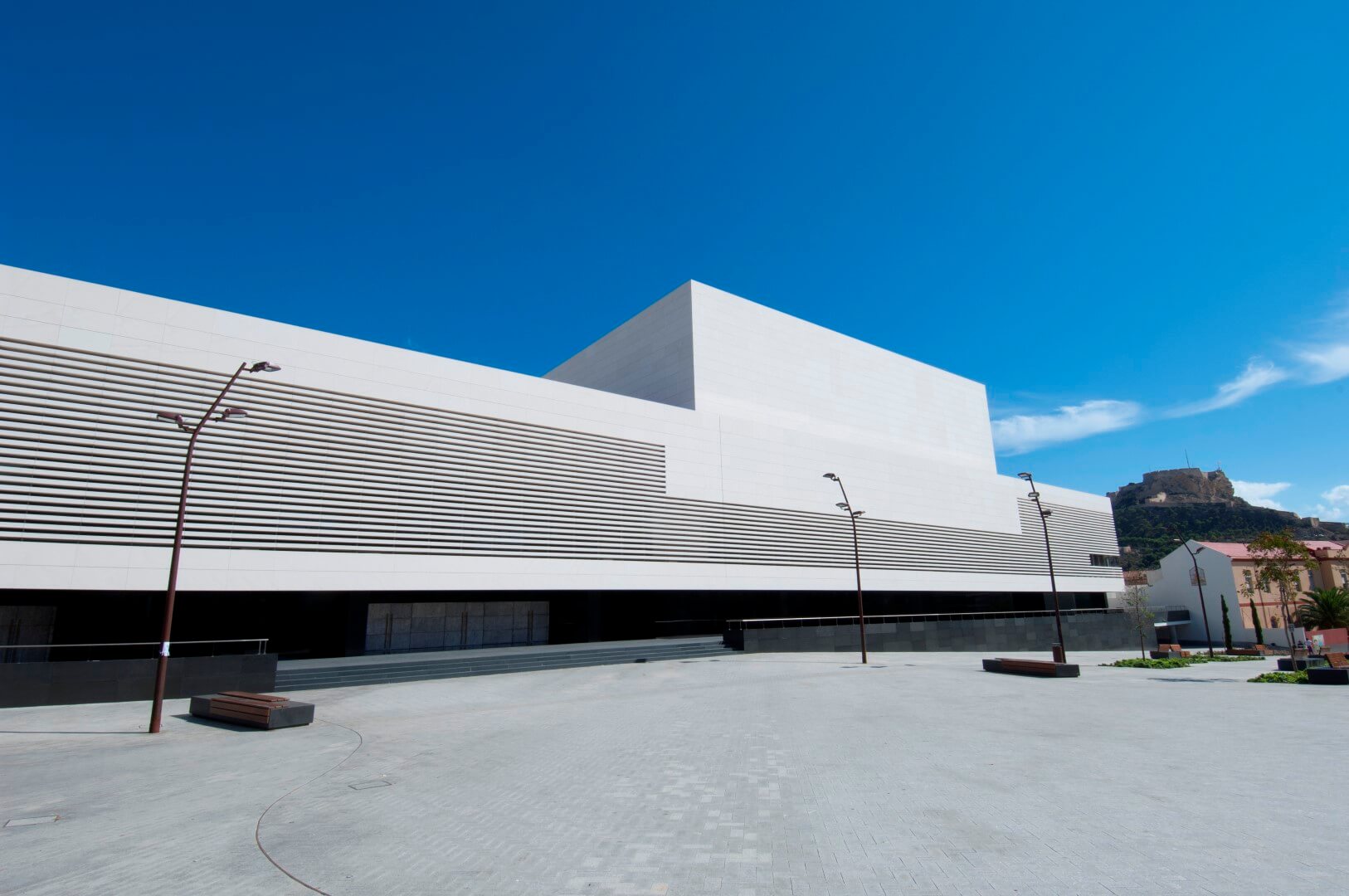
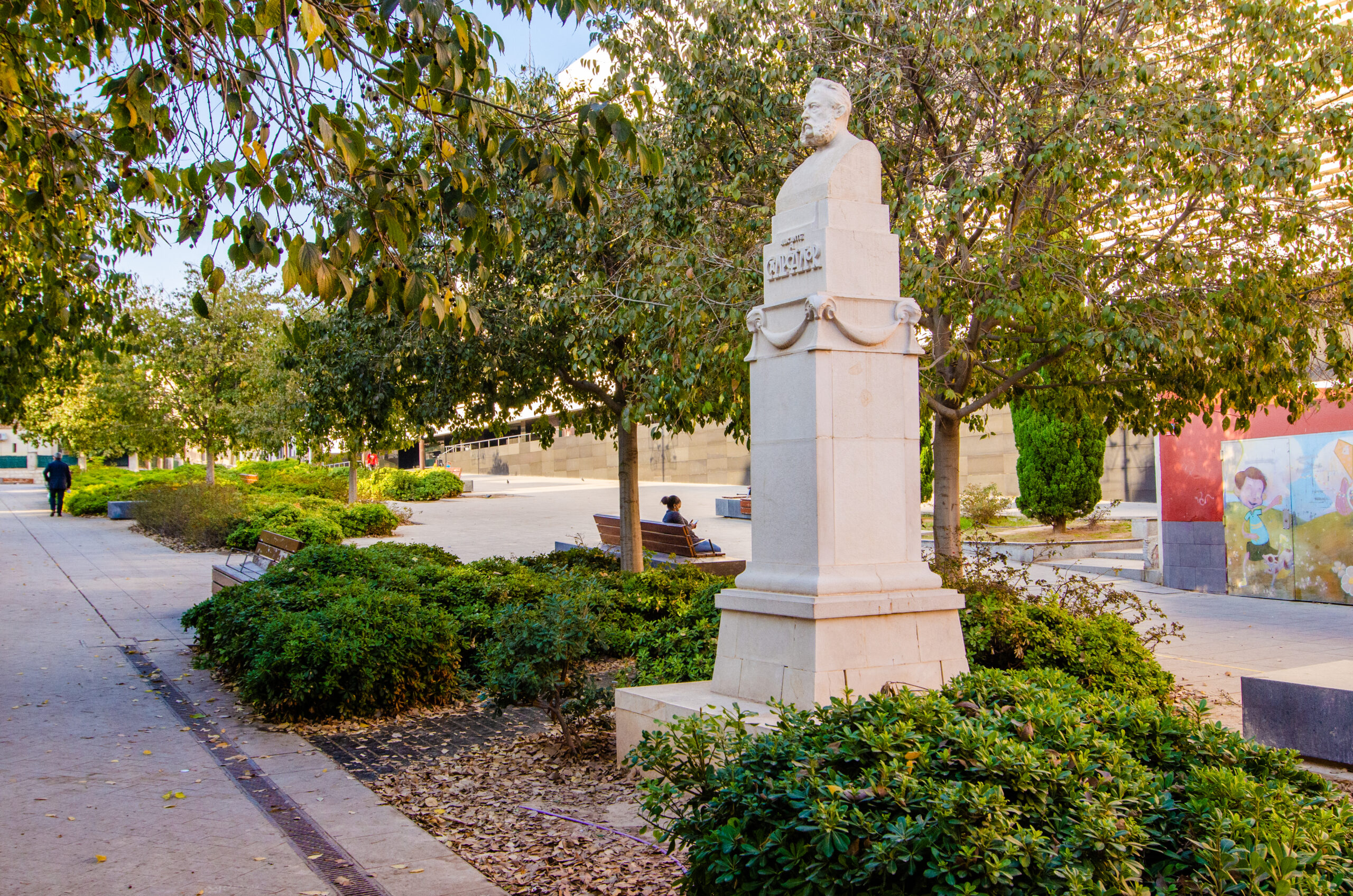
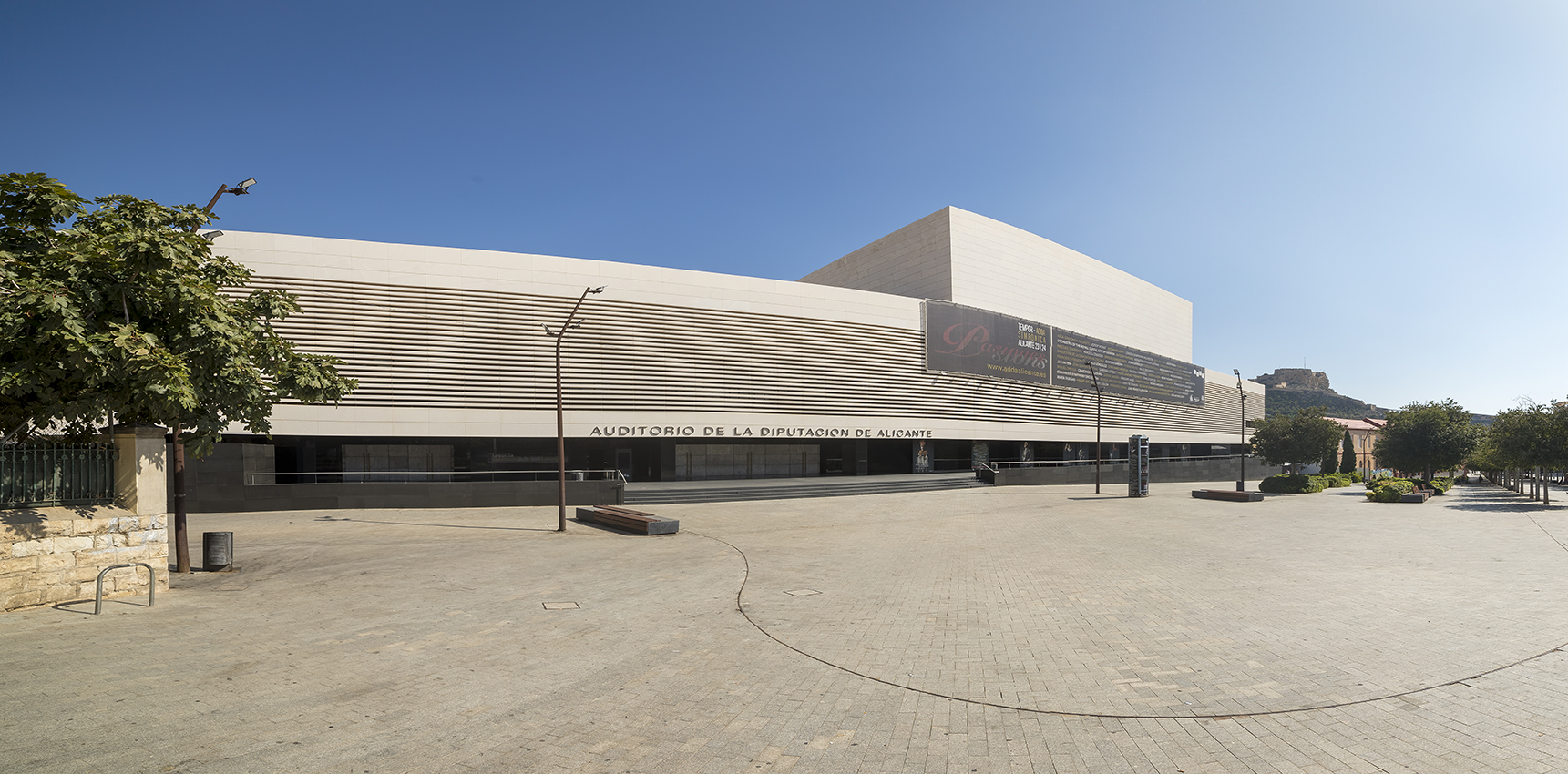
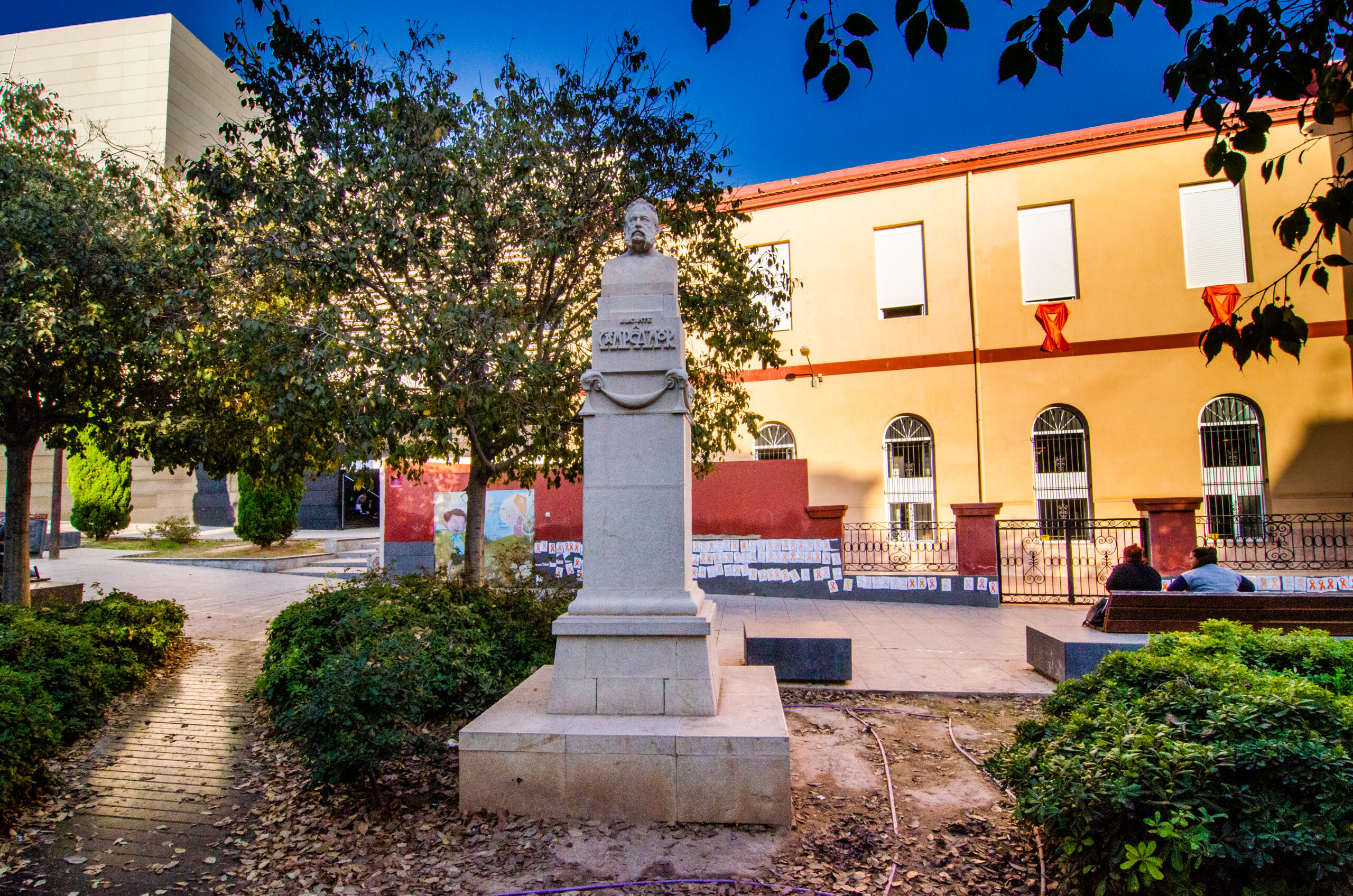
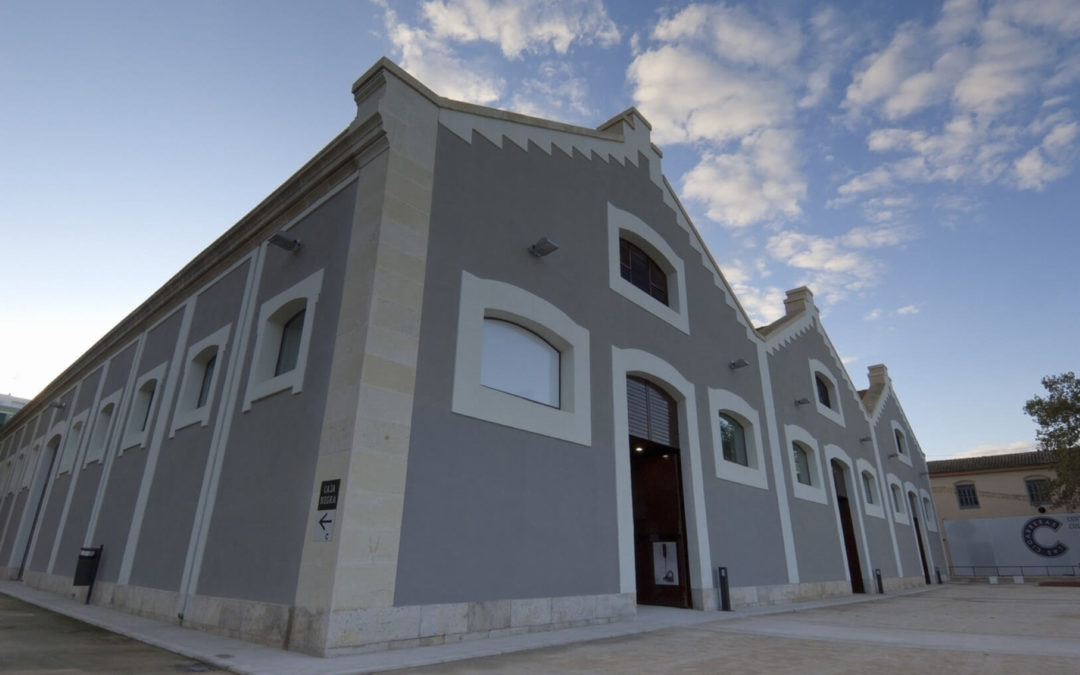
The Alicante Provincial Auditorium (ADDA) is located next to Paseo de Campoamor. Designed by architect Juan Antonio García Solera, this complex offers a variety of versatile spaces for film shoots. From its rehearsal rooms to its magnificent concert halls, ADDA provides the perfect setting to bring the visions of even the most demanding filmmakers to life.

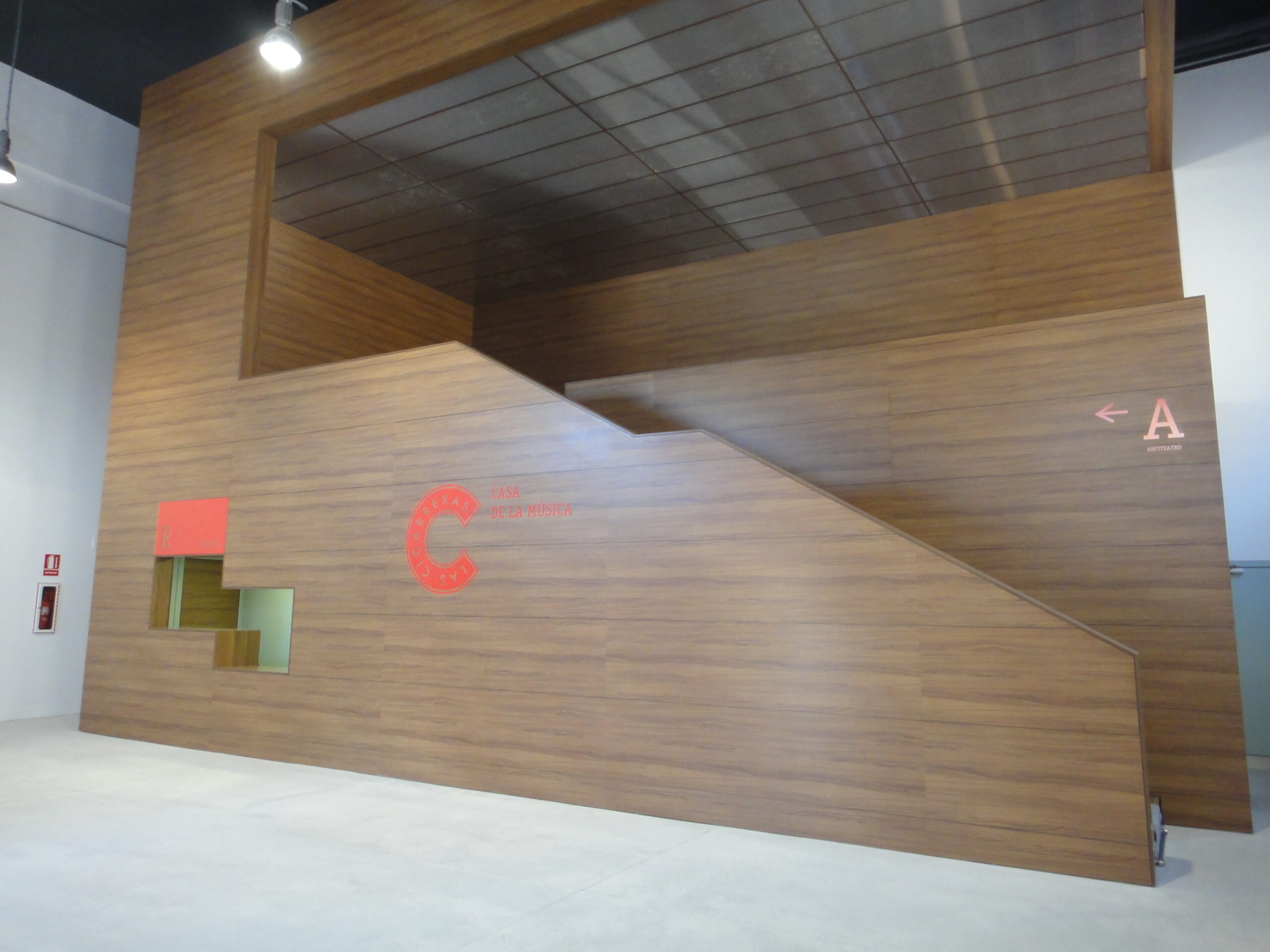
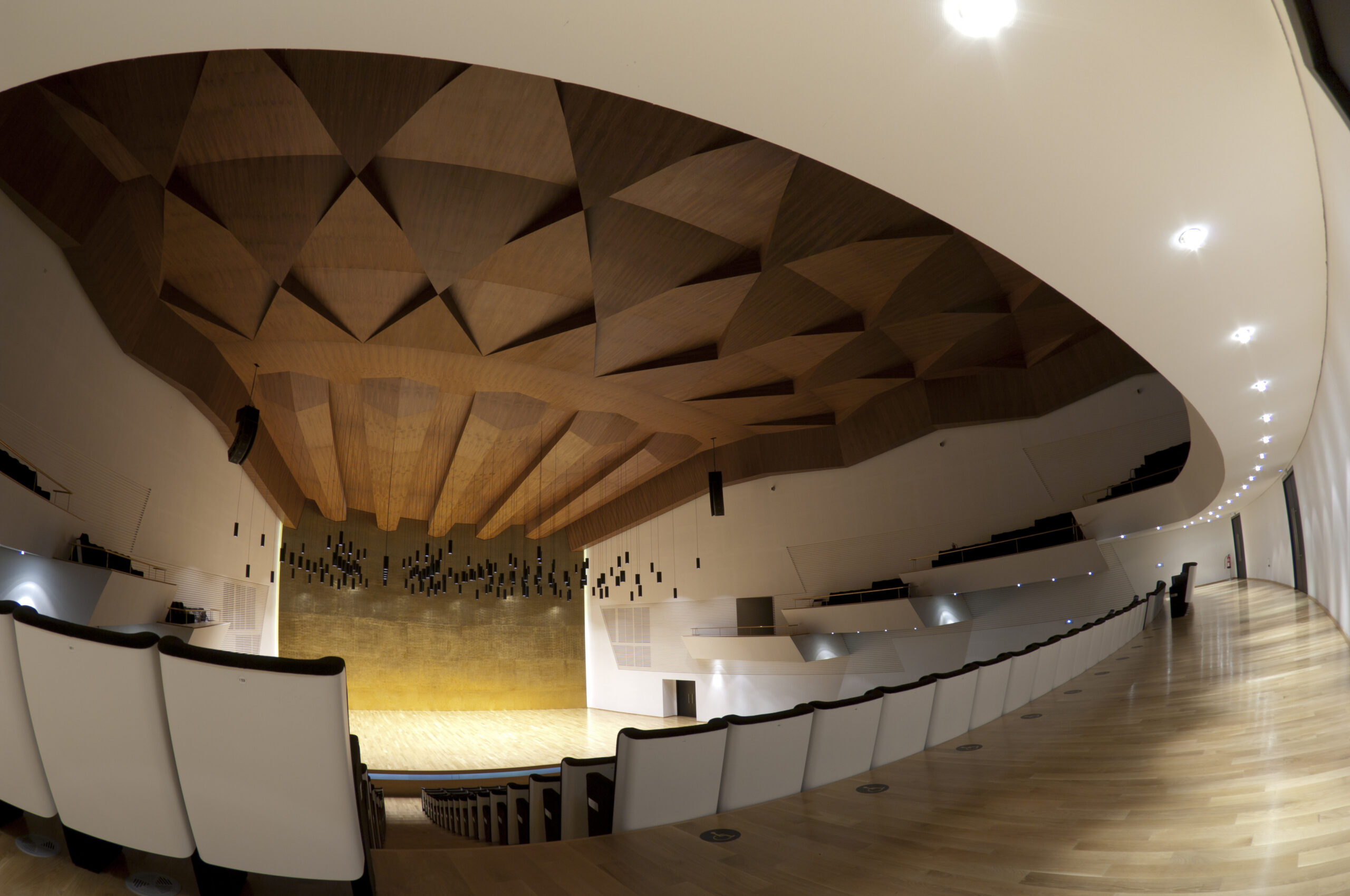
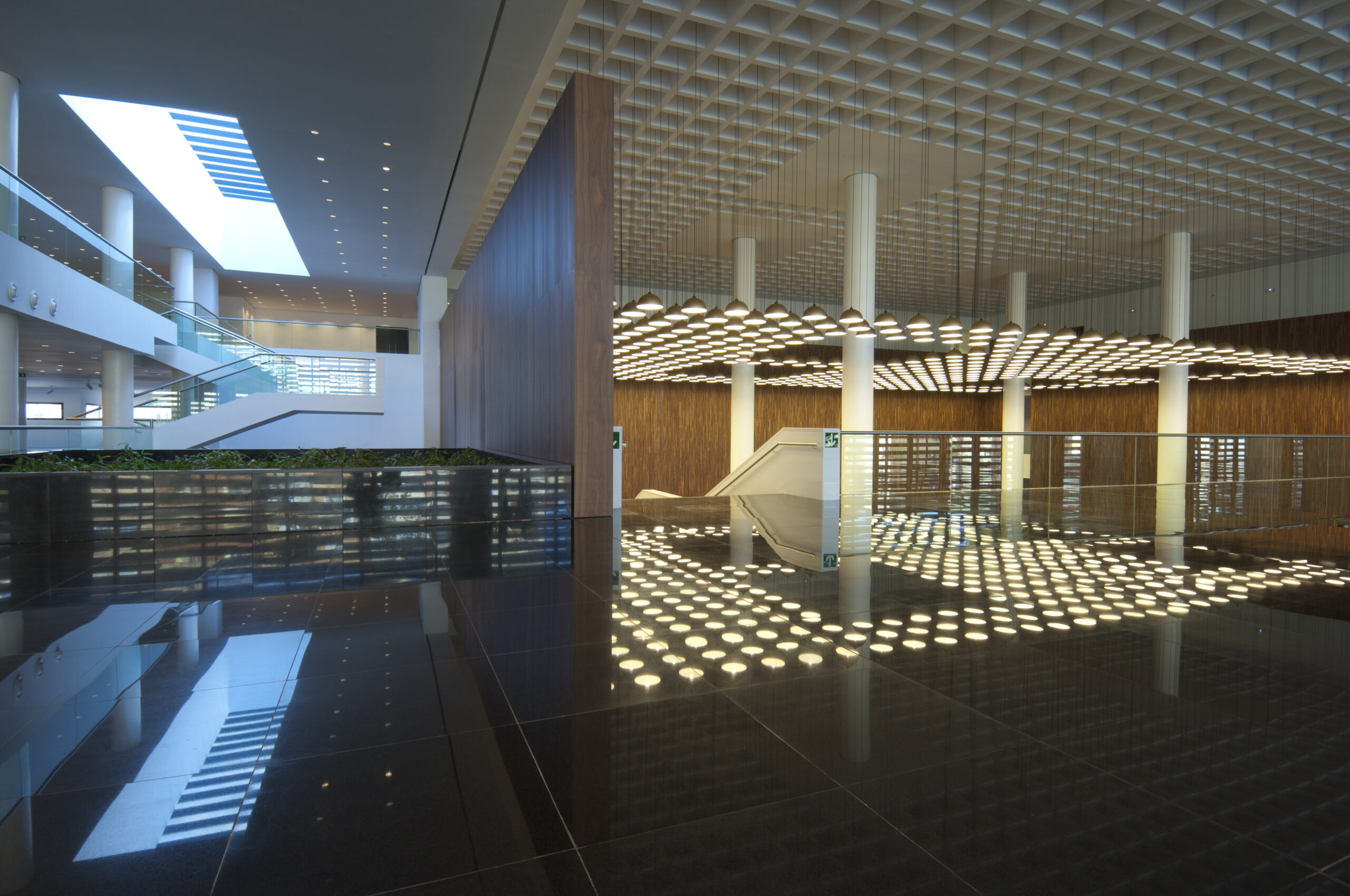
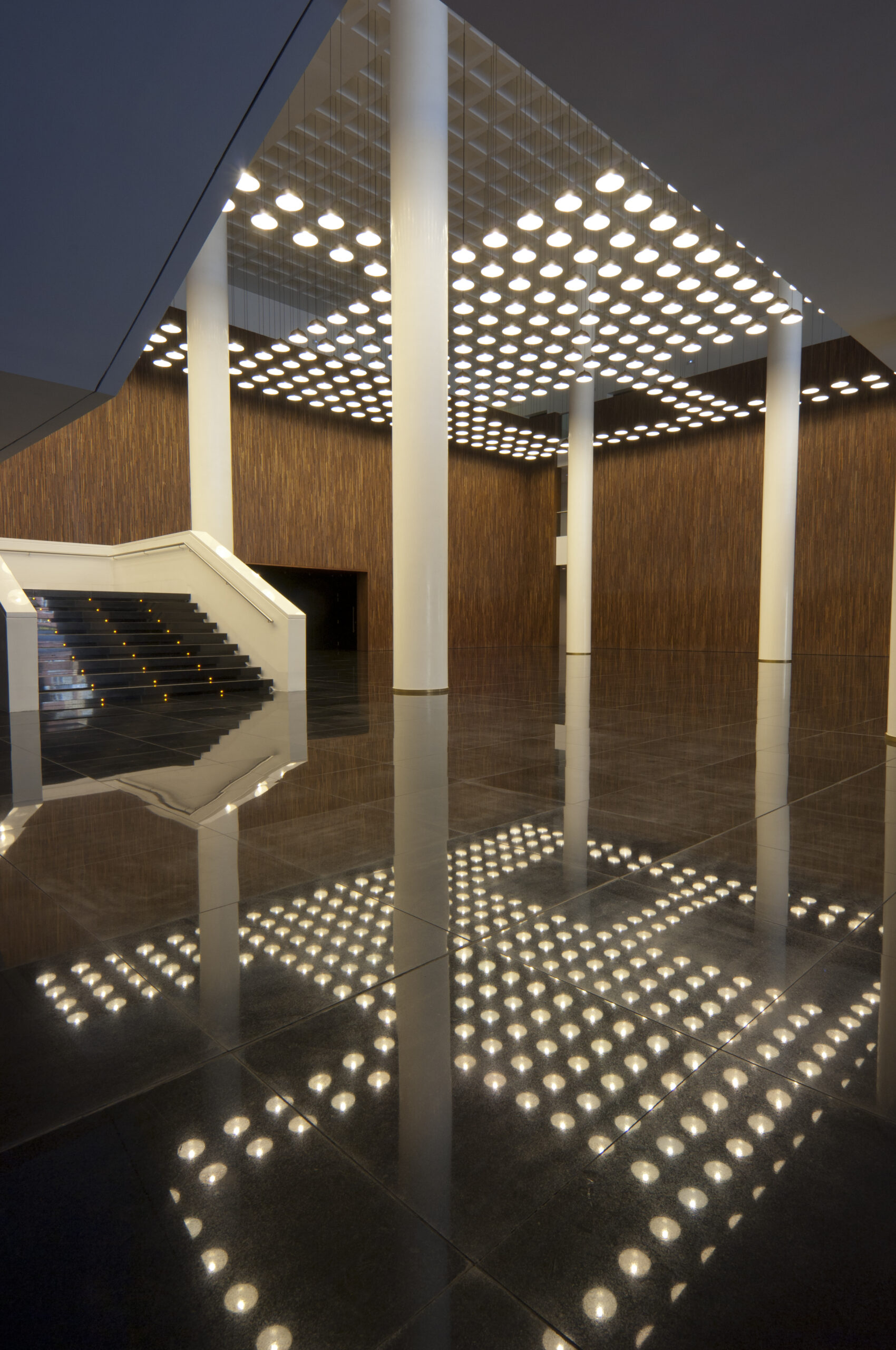
ADDA stands out for its contemporary and functional design. Its exterior, with clean, minimalist lines, presents a cutting-edge aesthetic. Inside, the same design approach is reflected in open and well-lit spaces.

Availability for filming

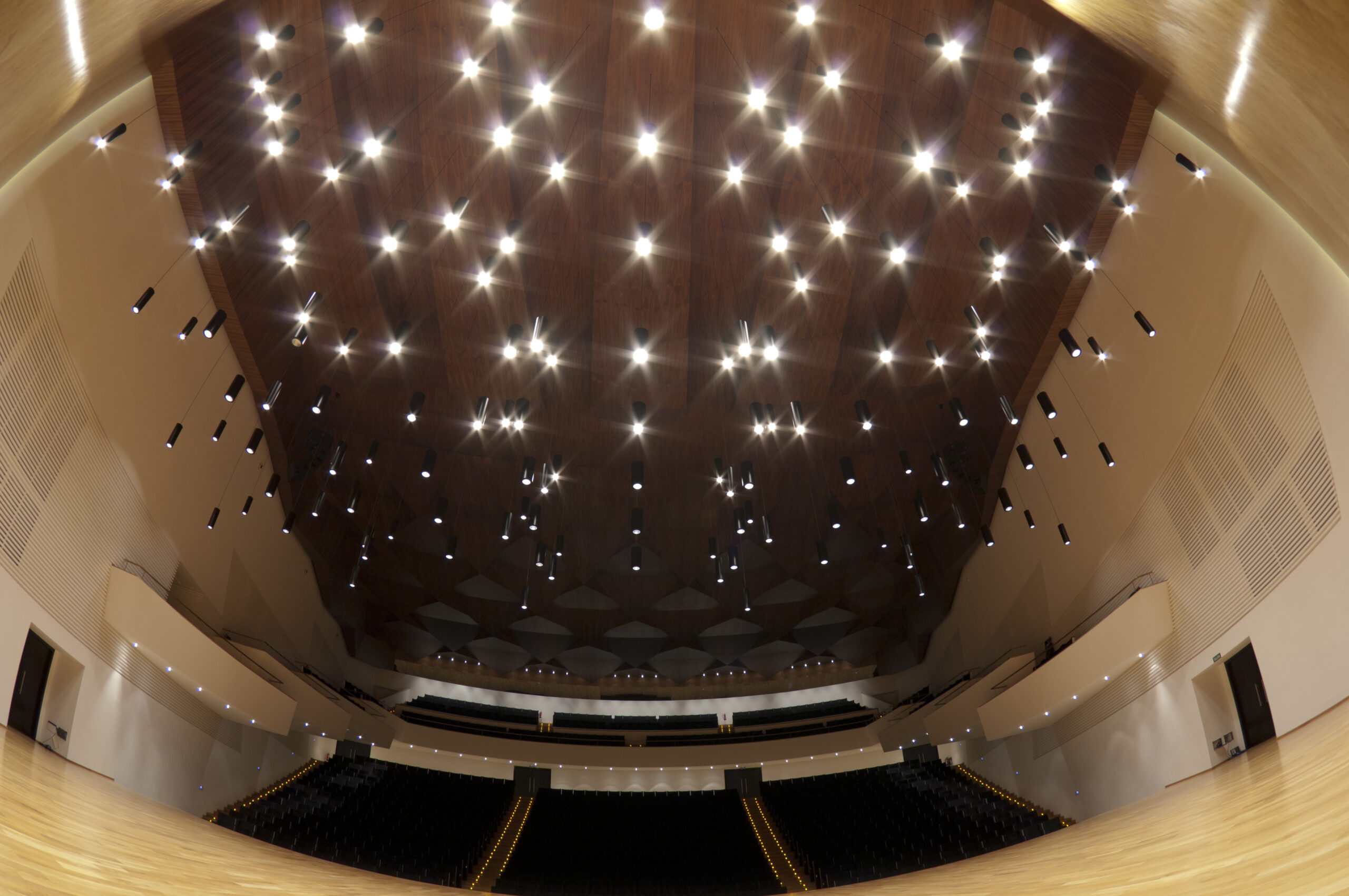
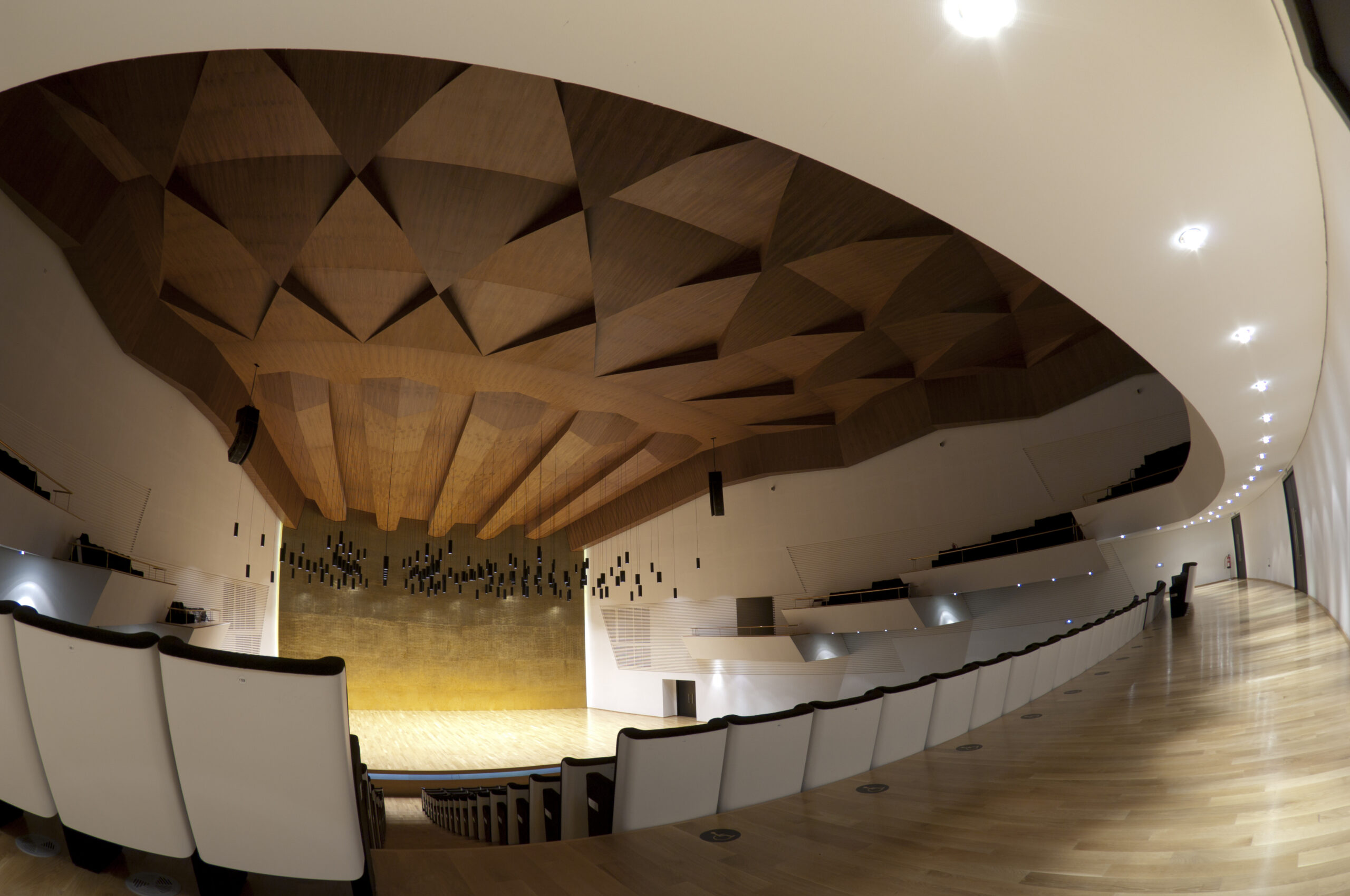
Its diverse spaces, ranging from the imposing main symphonic music hall to intimate rehearsal rooms, are available to host film productions of any scale and genre. Additionally, the venue is equipped with the latest audiovisual technology.

Best days for filming

The best days will depend on the specific project and the availability of the facilities. However, weekdays are generally more suitable for filming, as there tend to be fewer events, allowing for greater flexibility and access to the desired spaces.

Characteristics and facilities

  • Dressing rooms
  • Storage space for filming equipment
  • Restrooms
  • Cafeteria
  • Others

Contacto

Para rodar en el ADDA se debe contactar previamente con Costa Blanca Film Commision

Tel: (+34) 965 23 01 60

https://www.costablanca.org/Esp/Costa_Blanca_ahora/CBFilmCommission/Paginas/default.aspx


Contemporary Art Museum of Alicante – MACA

Contemporary Art Museum of Alicante – MACA

Contemporary Art Museum of Alicante - MACA

indoors

foto museos
Imagen 300
Imagen 303
previous arrow
next arrow
foto museos
Imagen 300
Imagen 303
previous arrow
next arrow

The MACA Contemporary Art Museum is housed in Alicante’s oldest preserved civil building and was built in 1685. The architectural ensemble is a compact installation that conserves the treatment of stone. The interior is shaped by projecting horizontal and vertical spaces that create a diagonal line stretching towards the zenith light path up to the rooftops, where glass cases extend the indoor space.

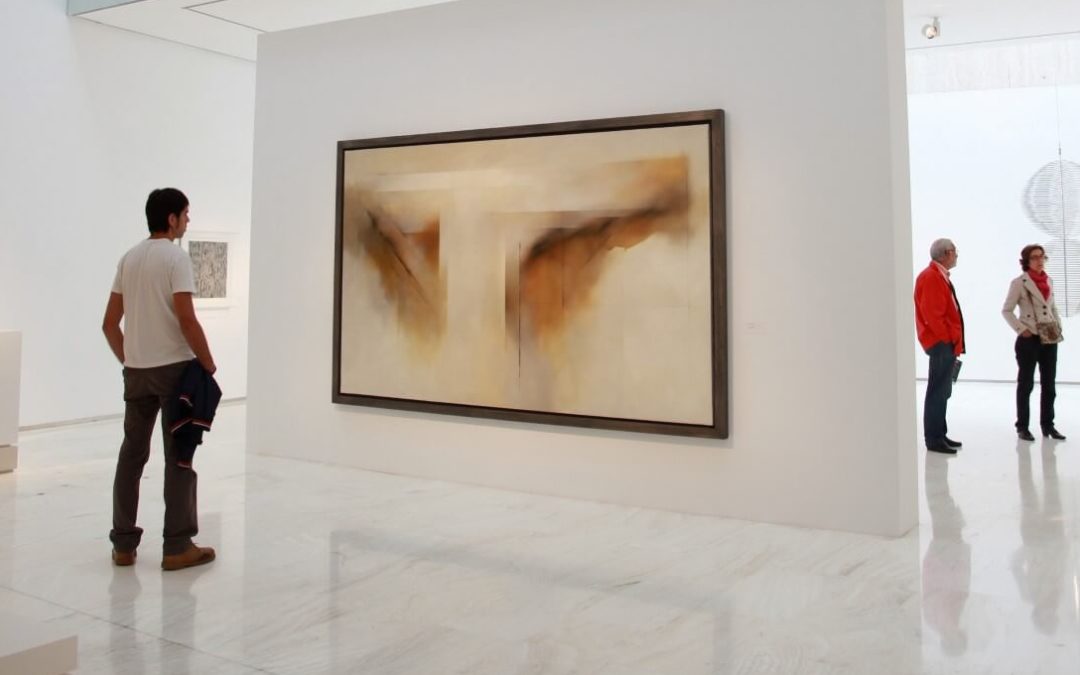
The MACA building has three floors and occupies an entire block. It currently exhibits a major twentieth century art collection, composed mainly of works by Eusebio Sempere. It also shows works of Chillida, Picasso, Dalí and Miró among others.

The imposing Church of Santa María gives onto the same square as the Museum, in the heart of the medieval town.

MUBAG Museum

MUBAG Museum

Alicante Museum of Fine Arts. MUBAG

Practical Information

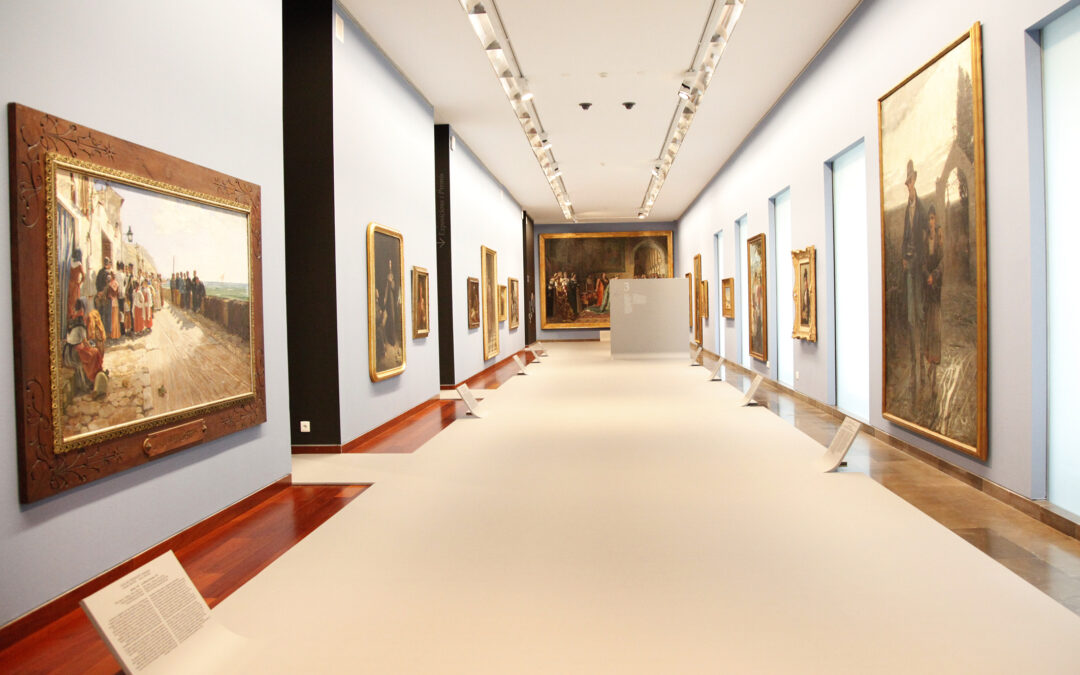
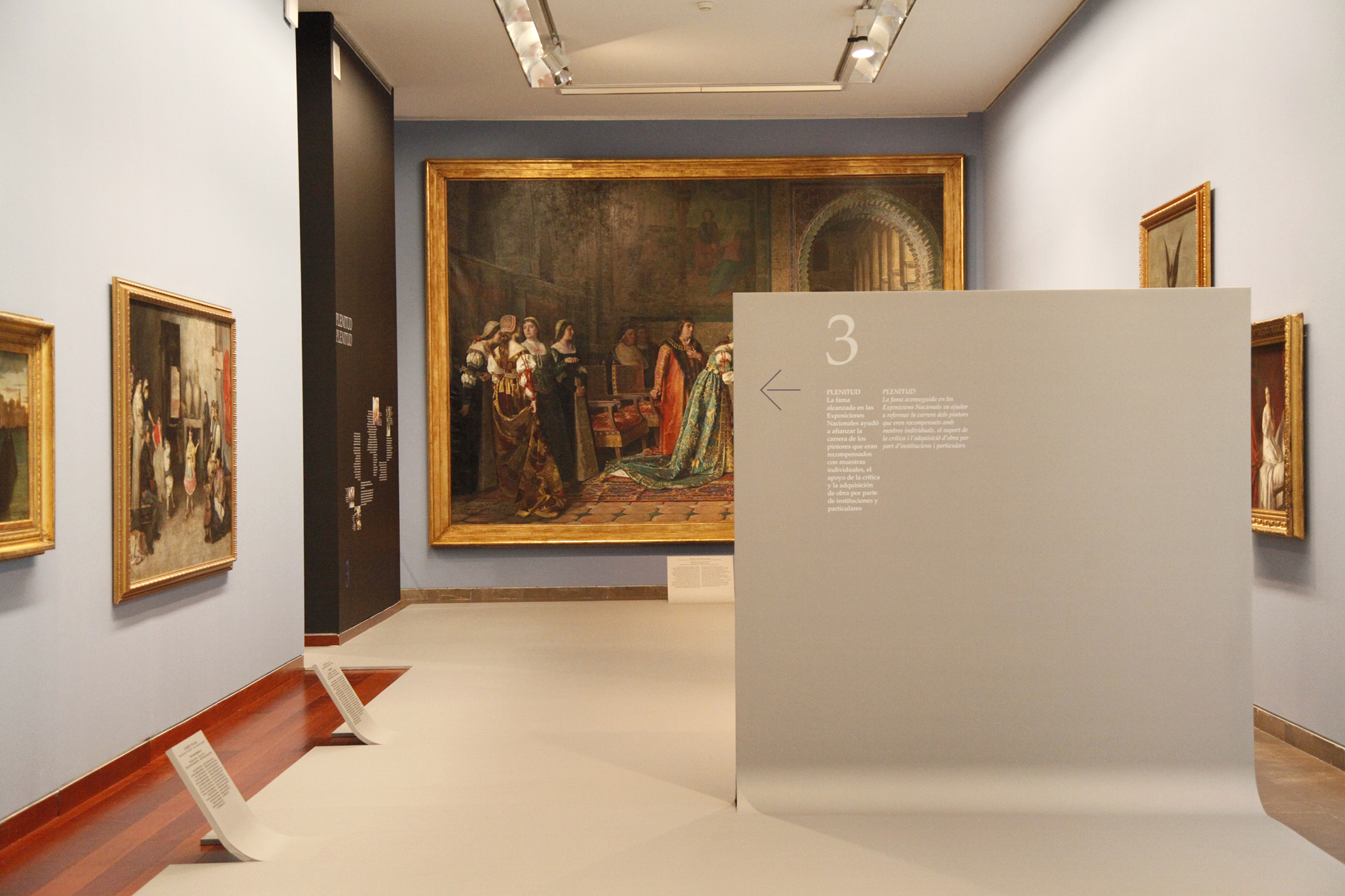
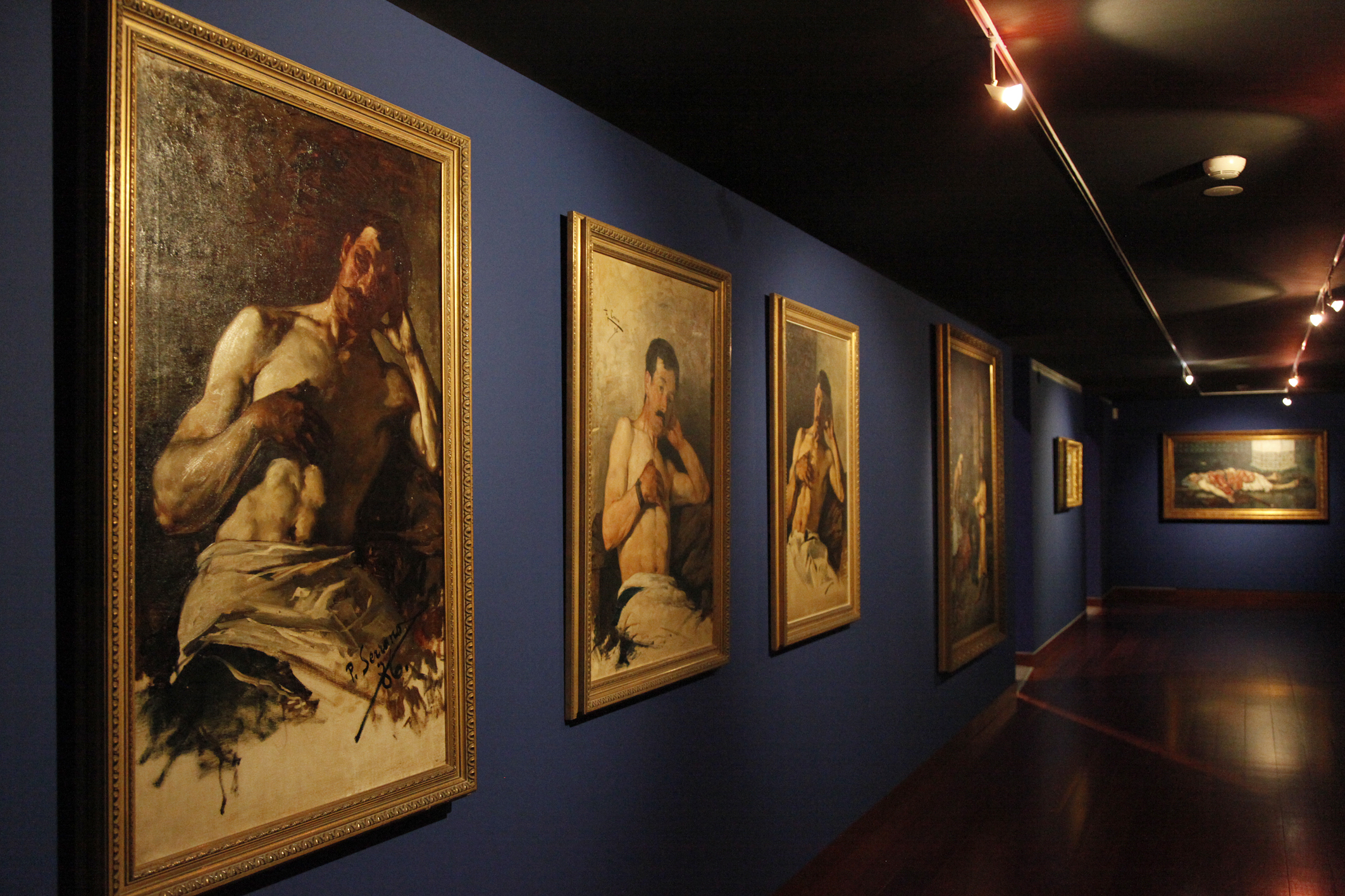
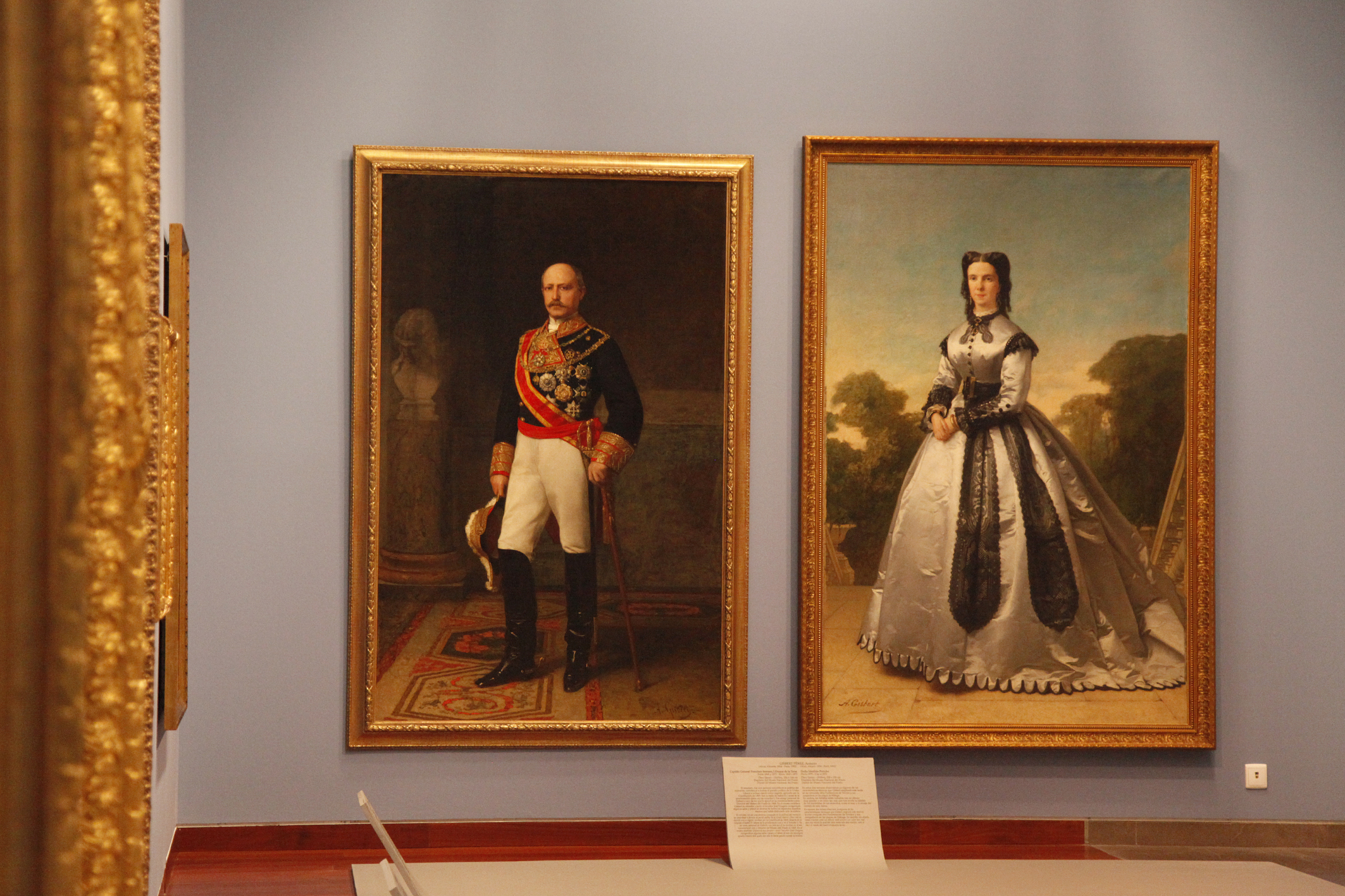
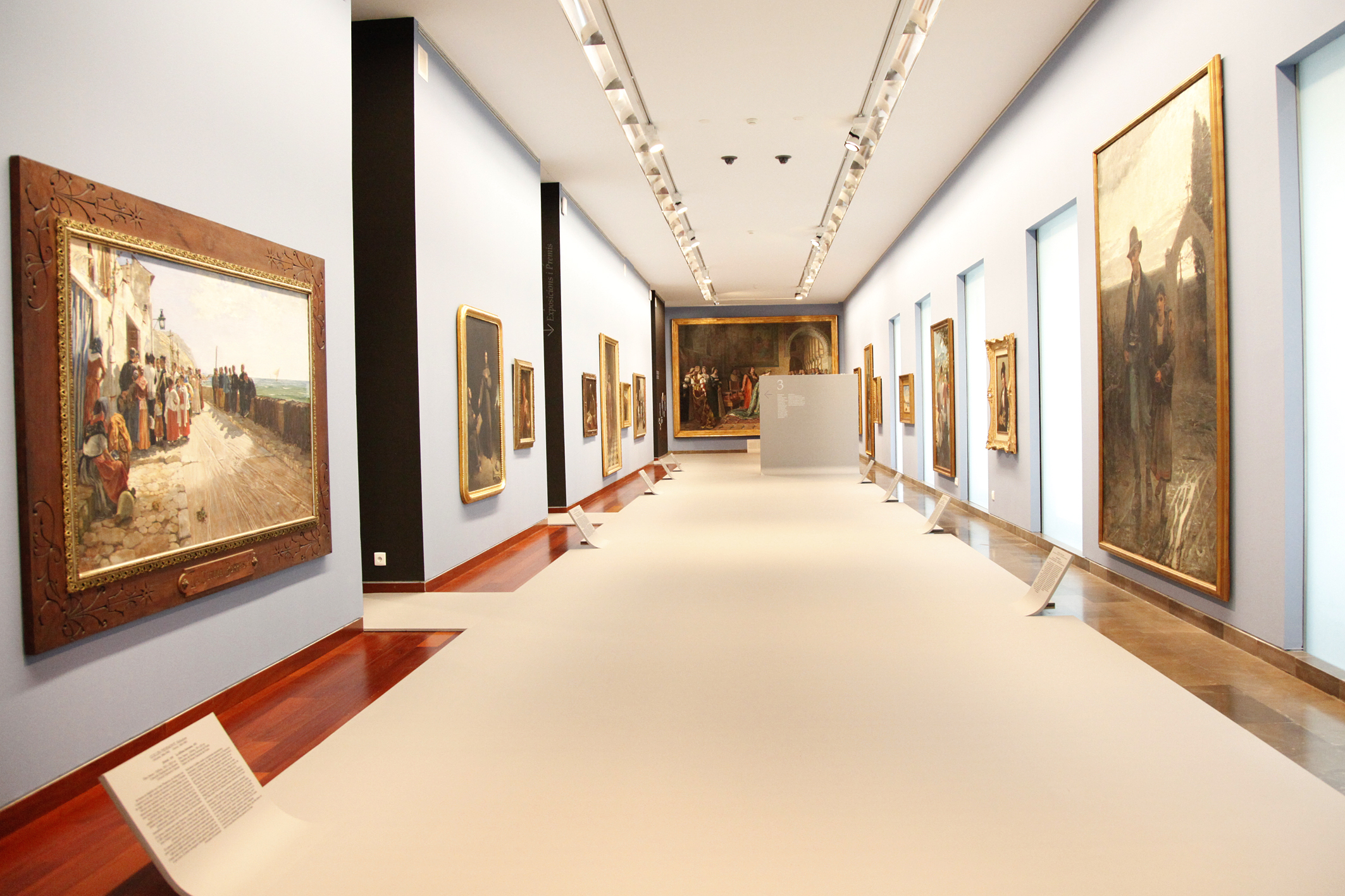
The Alicante Museum of Fine Arts (MUBAG) is a cultural landmark of great significance situated in the palace of the Count of Lumiares, built between 1748 and 1808. Designated a Local Historic-Artistic Monument, it houses an impressive collection of works of art spanning from the 16th century to the early decades of the 20th century.

It is a potentially attractive location for film shoots and audiovisual productions, situated in the old town of Alicante, making it easily accessible. The museum’s proximity to points of interest such as the Plaza del Mar, the Explanada and Postiguet Beach offers a variety of outdoor settings that complement the museum’s historical and artistic richness.

Availability for Filming

The museum is available for film shoots and photo shoots, subject to prior approval and coordination with the museum administration. Interested production companies should contact the museum’s cultural management department to obtain permits and find out about the specific conditions. It is advisable to plan well in advance to ensure availability and comply with any administrative requirements.

Best Days for Filming

The best days for filming at the MUBAG are generally those with the lowest visitor numbers, typically on weekdays, from Tuesday to Thursday.

Mondays, when the museum is closed to the public, can be ideal for film shoots requiring complete control of the space without interruptions. It is also possible to organise film shoots outside opening hours, provided this is properly coordinated with the museum staff.

Features and Facilities

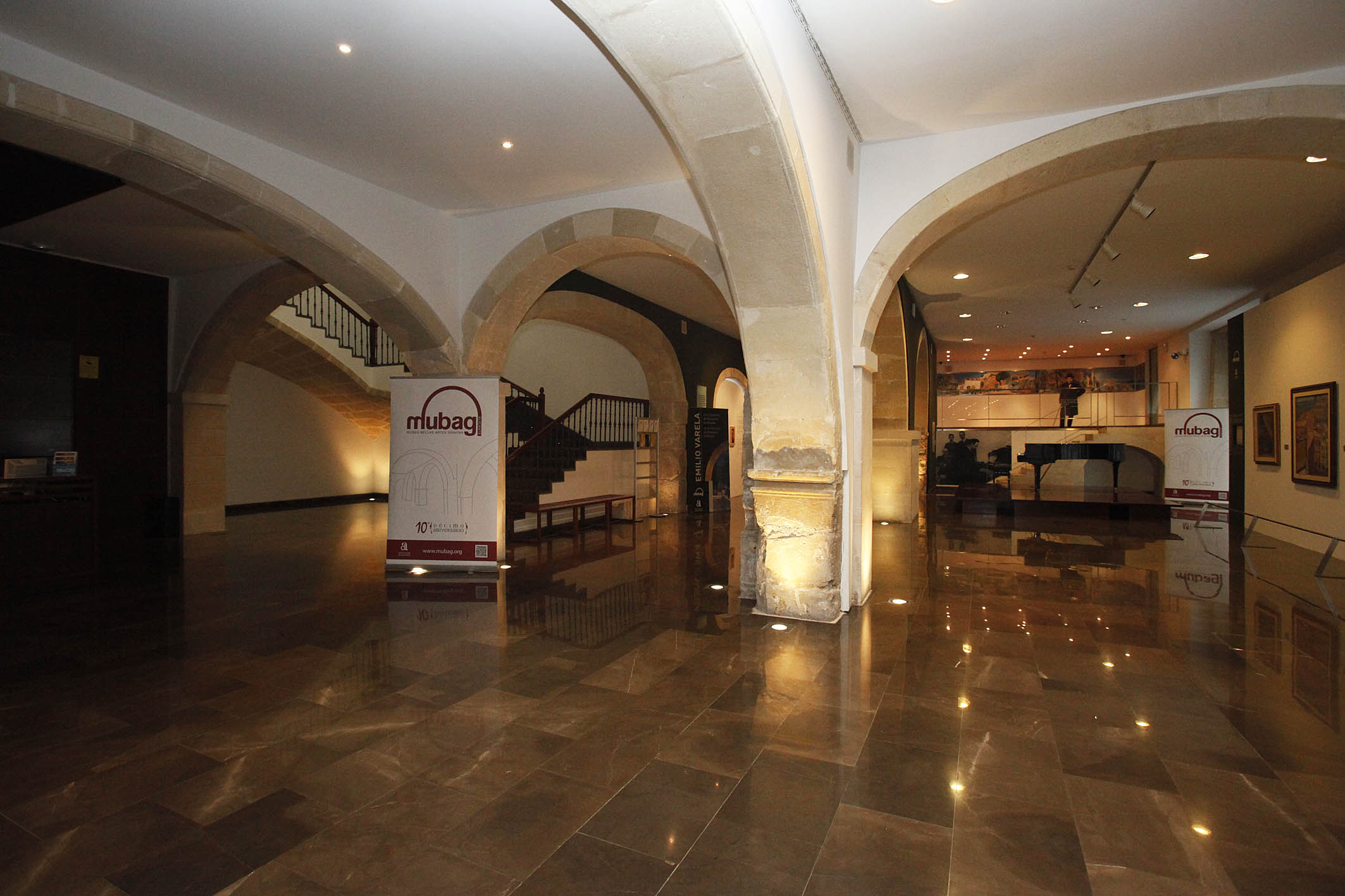
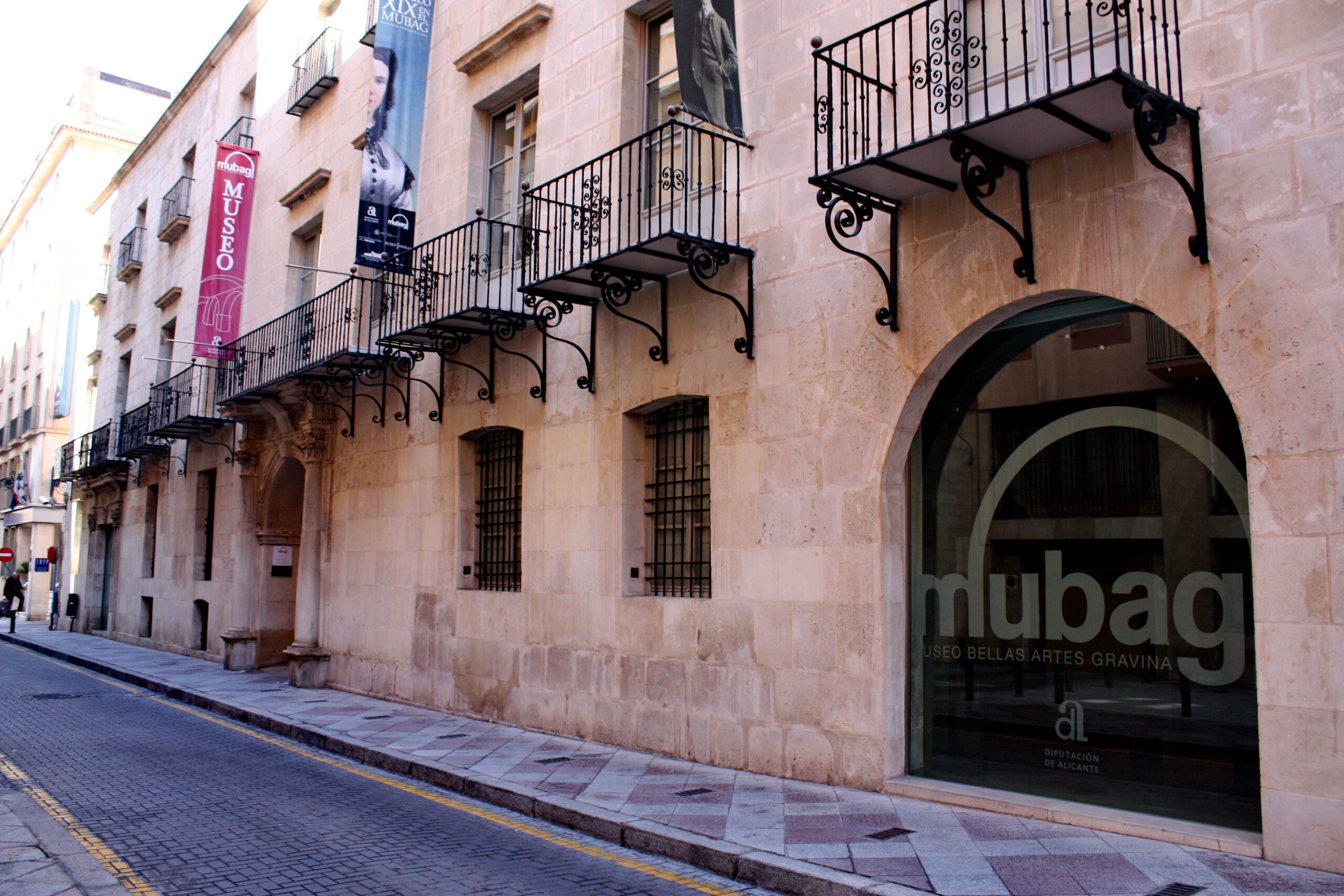
The Palace of the Count of Lumiares is a rectangular building notable for its 18th-century architecture. The main façade has three entrances, with the central entrance being particularly ornate, offering a striking visual backdrop for exterior shots. The ground floor of the building features semicircular arches and square windows, providing an open-plan space ideal for various filming set-ups. The main floor is particularly noteworthy for its windows and balconies overlooking Calle Gravina, offering picturesque views and an authentic historical atmosphere.

The interior of the museum, with its art collection and classical architecture, offers a wide range of filming possibilities, from historical scenes to contemporary productions requiring an atmosphere of elegance and tradition. Furthermore, the museum has suitable facilities for the production team, including rest areas and basic amenities.

OUTDOOR
Contact

MUBAG
Calle Gravina, 13-15, 03002-Alicante (España)
Tel/Phone (+34) 965 14 67 80
https://www.mubag.es/

The Ocean Race Museum

The Ocean Race Museum

The Ocean Race Museum

indoors

_MG_9586-Edit
_W2O1105
previous arrow
next arrow
_MG_9586-Edit
_W2O1105
previous arrow
next arrow

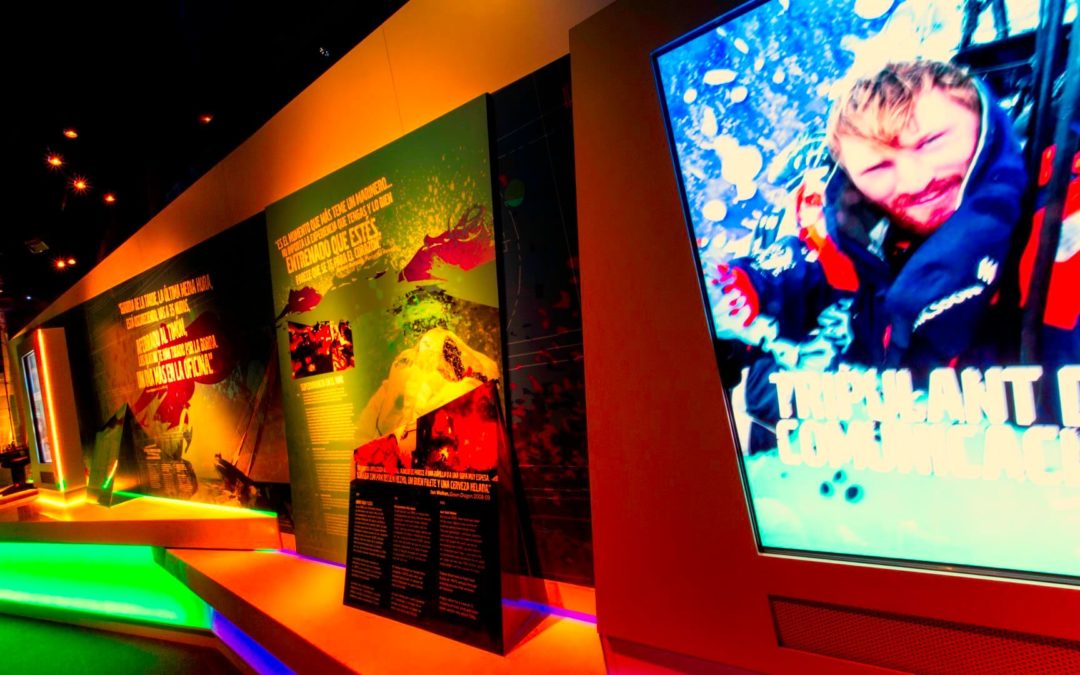
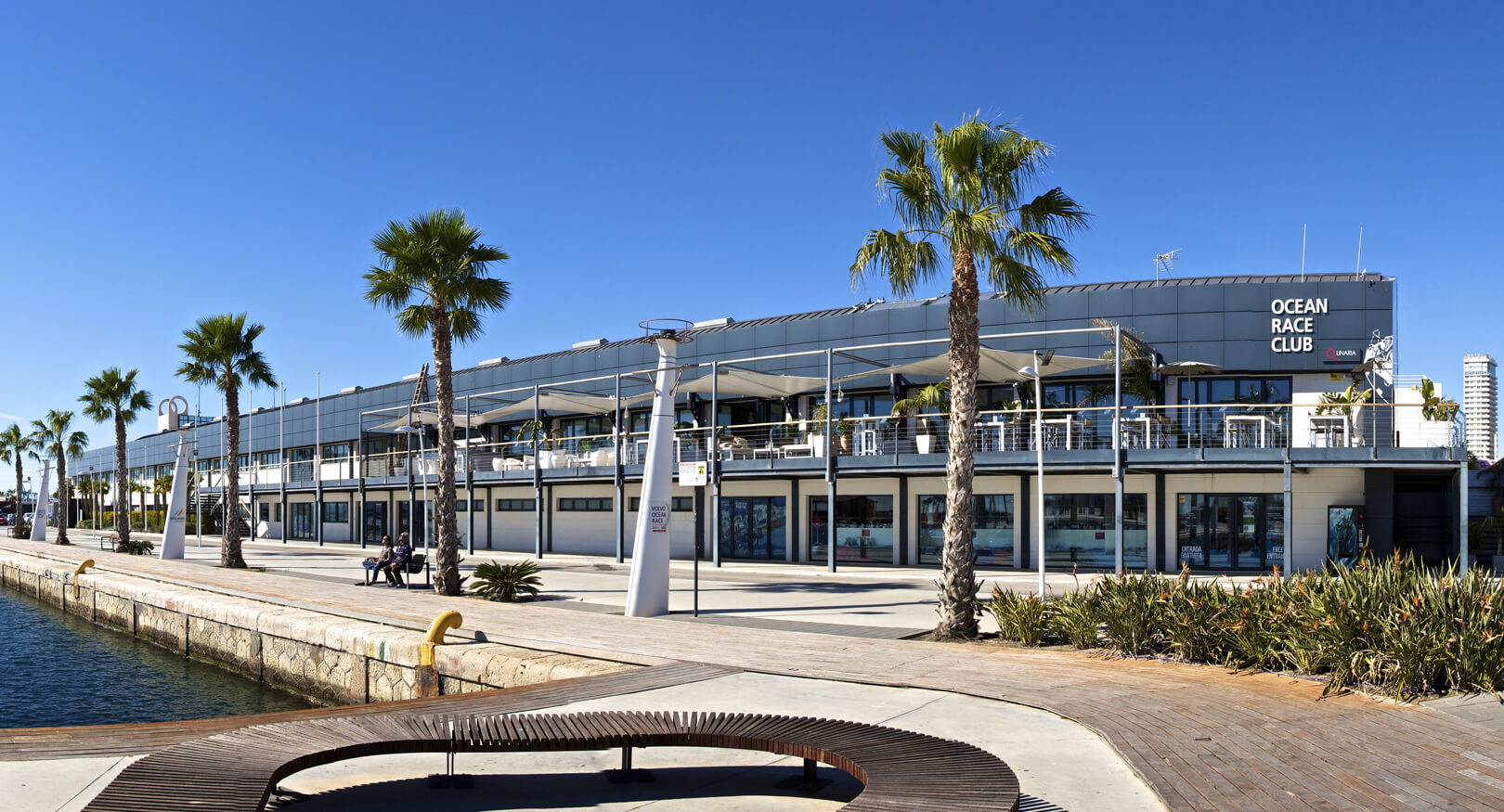
The Ocean Race Museum was built on the site of the former passenger terminal and is today a modern facility. The interior is equipped with interactive elements, games and a boat you can visit. The international Volvo Ocean Race is monitored from the Control Room, an impressive satellite-based technology and communication centre.

The exhibition area also includes a shop and an elegant and modern cafeteria on the top floor, with a terrace offering interesting panoramic views of the port. The enclosure is located on the Levante Pier 10, also known as the Volvo Zone. The Sports Marina, the Cruise Terminal and the Postiguet Beach are all very close by.

Archaeological Museum of Alicante – MARQ

Archaeological Museum of Alicante – MARQ

Archaeological Museum of Alicante - MARQ

indoors

MARQ museo arqueologico.Fachada.MARQ archaeological museum.Façade
MARQ museo arqueologico.Interior2.MARQ archaeological museum.Inside2
Marq7-2016
Marq10-2016
Museo_Arqueologico_MARQAlicante
previous arrow
next arrow
MARQ museo arqueologico.Fachada.MARQ archaeological museum.Façade
MARQ museo arqueologico.Interior2.MARQ archaeological museum.Inside2
Marq7-2016
Marq10-2016
Museo_Arqueologico_MARQAlicante
previous arrow
next arrow

The Archaeological Museum of Alicante, the MARQ, is situated in the former facilities of Alicante’s San Juan de Dios Provincial Hospital. Covering a surface area of 9,000 m2, the museum offers a full exhibition from the Paleolithic to Modern Contemporary Culture.

The building has the shape of a double comb with eight wings and two peaks at the end of the main body. The wings depart from two lengthwise corridors ending in staircases and a semi-cylindrical piece at the end.

The basements of the MARQ hold the amphora Depot, the warehouse of compacts, the collections’ research office and the restoration laboratory.

Finally, the facade of the museum incorporates balustrades and arches of diverse origin, pinnacles and stairways. The building’s classic line gives it an elegant and stately appearance.

The Mount Benacantil and Santa Barbara Castle are very close to the Archaeological Museum of Alicante.